IT'IS USA
The Foundation for Research
on Information Technologies
in Society USA
on Information Technologies
in Society USA
March 19, 2026
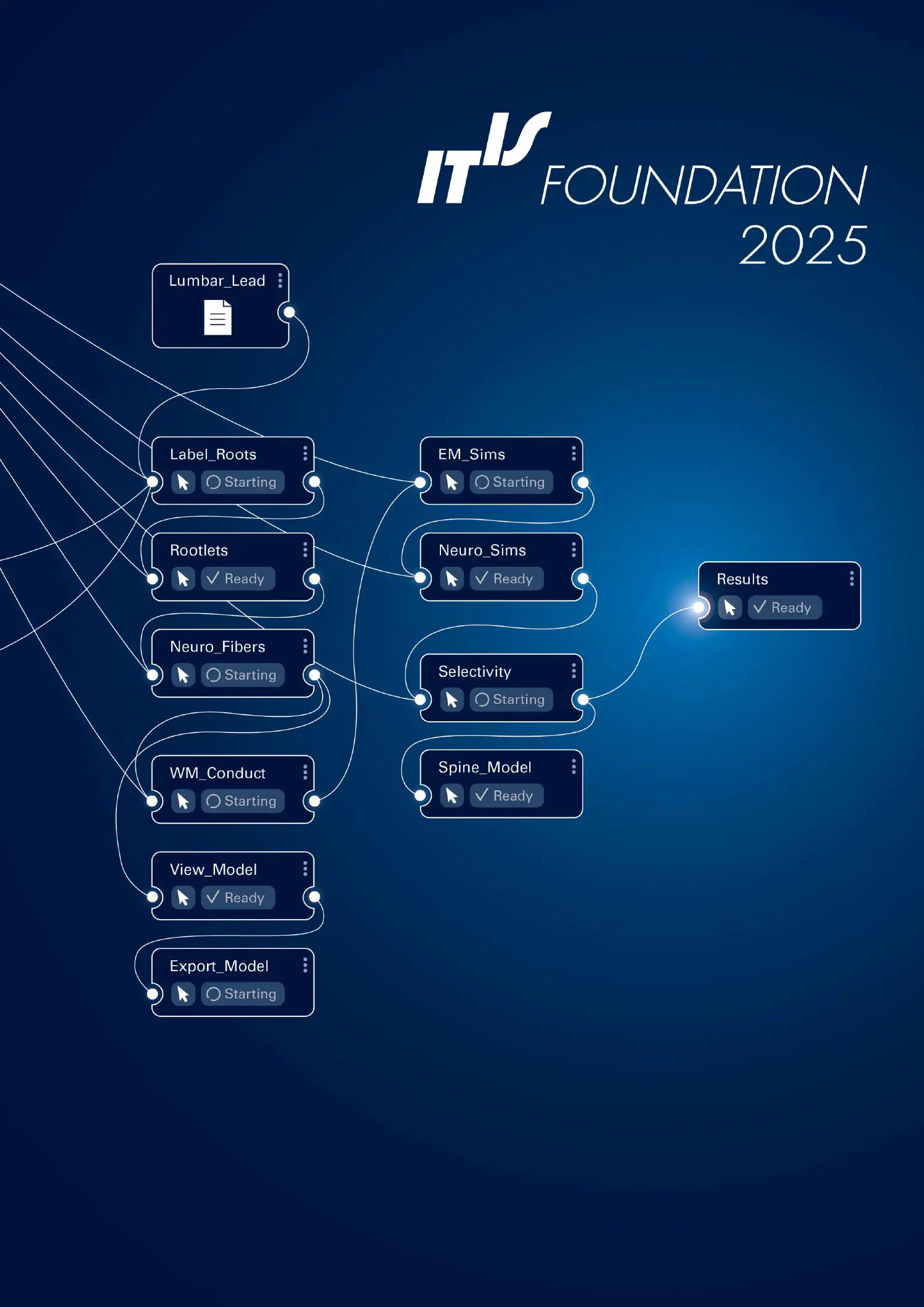
We are excited to share the IT’IS Annual Report 2025, with highlights of a year of research, collaboration, and progress.
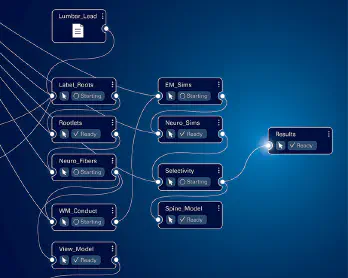
This year’s report features o²S²PARC, IT’IS’s cloud-based, online-accessible computational platform that enables collaborative, reproducible, and FAIR (Findable, Accessible, Interoperable, and Reusable) modeling and simulations.


We are excited to share the IT’IS Annual Report 2025, with highlights of a year of research, collaboration, and progress.
This year’s report features o²S²PARC, IT’IS’s cloud-based, online-accessible computational platform that enables collaborative, reproducible, and FAIR (Findable, Accessible, Interoperable, and Reusable) modeling and simulations. The annual report also includes an overview of the year’s achievements, ongoing projects, key figures on funding and infrastructure, a selection of publications, IT’IS team including the board members, and a list of partners and sponsors.
February 18, 2026
Submit your application! The 2026 Katja Poković Research Fellowship call is now open for outstanding female scientists. Join IT’IS to pursue cutting‑edge research in electromagnetics, dosimetry, bioelectromagnetics, and neuromodulation.
The call for the 2026 Katja Poković Research Fellowship is now open. The fellowship is awarded to outstanding female scientists and engineers who would like to join IT’IS to pursue cutting‑edge research in electromagnetics, dosimetry, bioelectromagnetics, and neuromodulation.
The 2026 Katja Poković Research Fellowship call is now open and outstanding female scientists are invited to apply! This is a unique opportunity to carry out cutting‑edge research at our sister organization IT’IS, in Zurich, in an inspiring, highly interdisciplinary environment.
The Katja Poković Research Fund was established in memory of Katja Poković to promote and support female engineers and to advance safe and beneficial applications of electromagnetic energy and information technologies.
Why Apply?
The fellowship specifically supports incoming female researchers embarking on doctoral or postdoctoral studies at IT’IS or seeking to work as a visiting scientist. You will join a dynamic team, gain access to state‑of‑the‑art infrastructure, and contribute to projects with real‑world impact on technology and society.
Research Areas
IT’IS welcomes applications that aim to shape the future of electromagnetics and its applications in information and medical technologies, work at the forefront of near‑field electromagnetic measurement technology, dosimetry, calibration methods for electromagnetic sensors, or bioelectromagnetics including neuroscience.
Who Can Apply?
The fellowship is open to all female students as well as recently graduated scientists and engineers of any nationality. Motivated, creative, and ambitious researchers, who are passionate about IT’IS’s research topics are encouraged to seize this opportunity and submit their application.
Deadlines and Instructions
The deadline for submission of applications is April 30, 2026, 23:59hrs Swiss local time. For details on eligibility, required documents, and how to apply, please check here.
February 2, 2026
Esra Neufeld, PhD was elected Director of the Foundation Board at today’s Foundation Board Meeting. Esra brings extensive experience in the field of computational life sciences, having led the Computational Life and Health Sciences (CLaHS) group
Dr. Esra Neufeld has been elected to the Board of Directors, effective February 2, 2026. Esra brings extensive experience in the field of computational life sciences, having led the Computational Life and Health Sciences (CLaHS) group at IT’IS since 2008, as well as having served as an Associate Director of the IT’IS Foundation since 2018. Since 2009, Esra has been the Chief Science Officer at ZMT Zurich MedTech AG, responsible for development of medical treatment planning software and medical image processing tools, and in 2019, he co-founded TI Solutions AG to develop high-quality and flexible neuro-stimulation devices and treatment planning tools for temporal interference research. Esra has been the driving force behind the stunning success of the National Institutes of Health Common Fund project o²S²PARC: Open platform for online simulations for stimulating peripheral activity to relieve conditions.
Esra joins a dedicated board working to advance the missions of IT’IS USA and IT’IS, including to foster innovative research in neuroscience by pursuing advanced research in simulation methodologies and applications of physical, physiological, and biological processes in the field of precision medicine, and to promote academic collaboration by providing a proactive creative innovative research environment for the cultivation of sound science and good education.
January 15, 2026
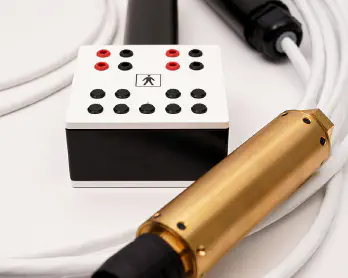
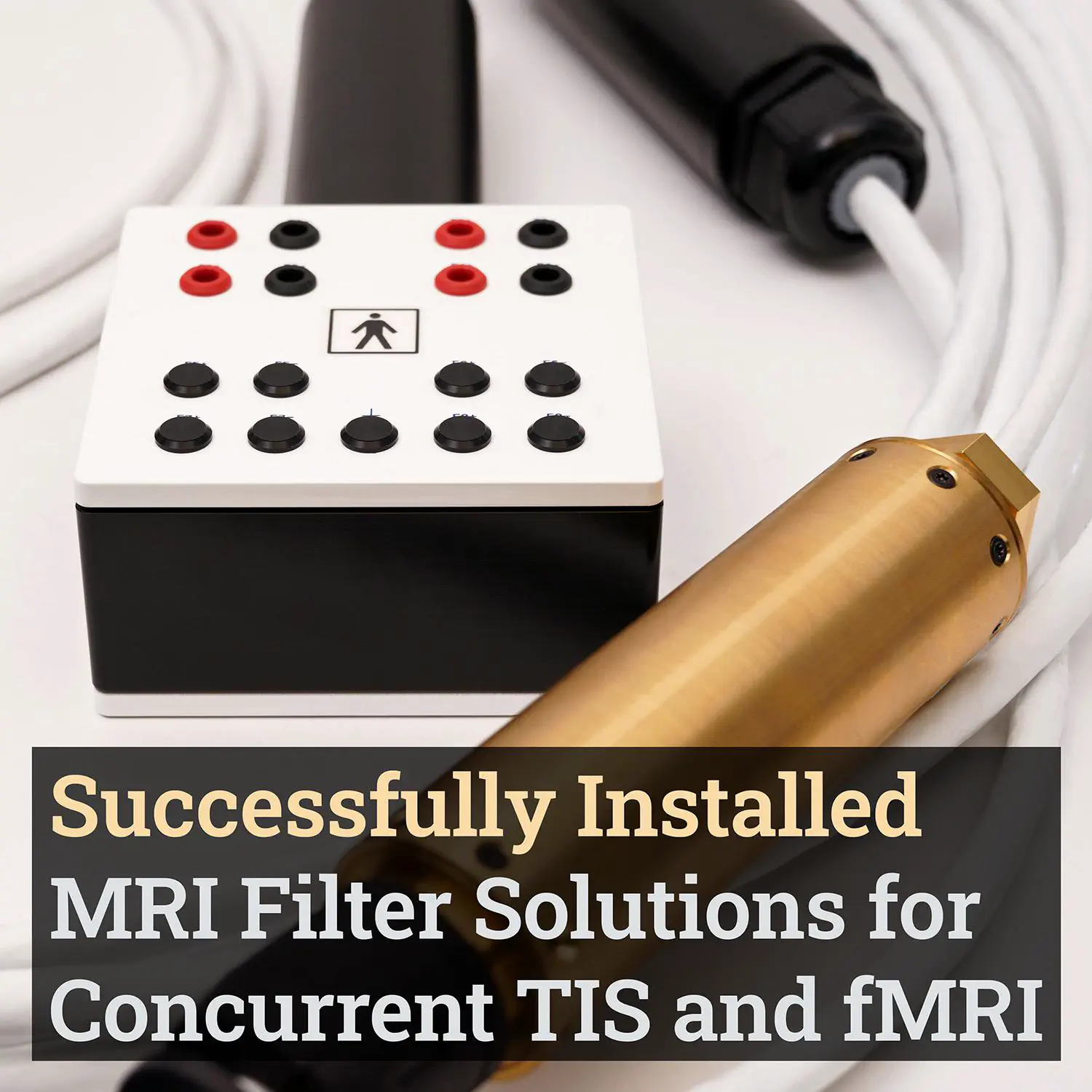
The IT’IS TI team has successfully installed their 3.0 T and 7.0 T Filter Solutions in two leading research laboratories, enabling functional magnetic resonance imaging to be performed concurrently during temporal interference stimulation with the TIBS-R device.
The IT’IS TI team has successfully installed their 3.0 T and 7.0 T Filter Solutions in two leading research laboratories, enabling functional magnetic resonance imaging to be performed concurrently during temporal interference stimulation with the TIBS-R device.
The ability to perform functional magnetic resonance imaging (fMRI) concurrently during temporal interference stimulation (TIS) is essential to further advance the understanding of and to evaluate the potential of TIS. However, introducing devices into the MRI environment is generally unsafe unless they are specifically designed to meet MRI safety requirements.
The specialized MRI Filter Solutions developed by the IT’IS team for the TIBS-R device of its Z43 partner, TI Solutions AG, enable compatibility with 2.9, 3.0, and 7.0 T scanners. Beyond MRI compatibility, TI Solutions – jointly with IT’IS and the Swiss Federal Laboratories for Materials Science and Technology (EMPA) – also developed novel stimulation leads that feature optimized distributed resistance for maximum safety and artifact-free recording during fMRI.
Operation of the system, which supports up to four TI channels (eight electrodes), has been validated under normal operating conditions, including sequences with high specific absorption rate (SAR) and high gradient demands. More information is available on the TI Solutions website.
These solutions have already been successfully deployed in two leading research laboratories, and additional installations are underway.
For information about the TIBS-R device and the MRI Filter Solutions, please contact eap@temporalinterference.com.
November 10, 2025
Joseph Tharayil, James B. Isbister, Esra Neufeld, and Michael Reimann, iScience 2025, Volume 28, Issue 11, Article no. 113793, doi: 10.1016/j.isci.2025.113793
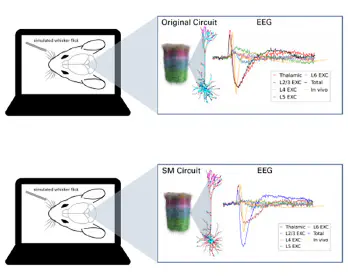
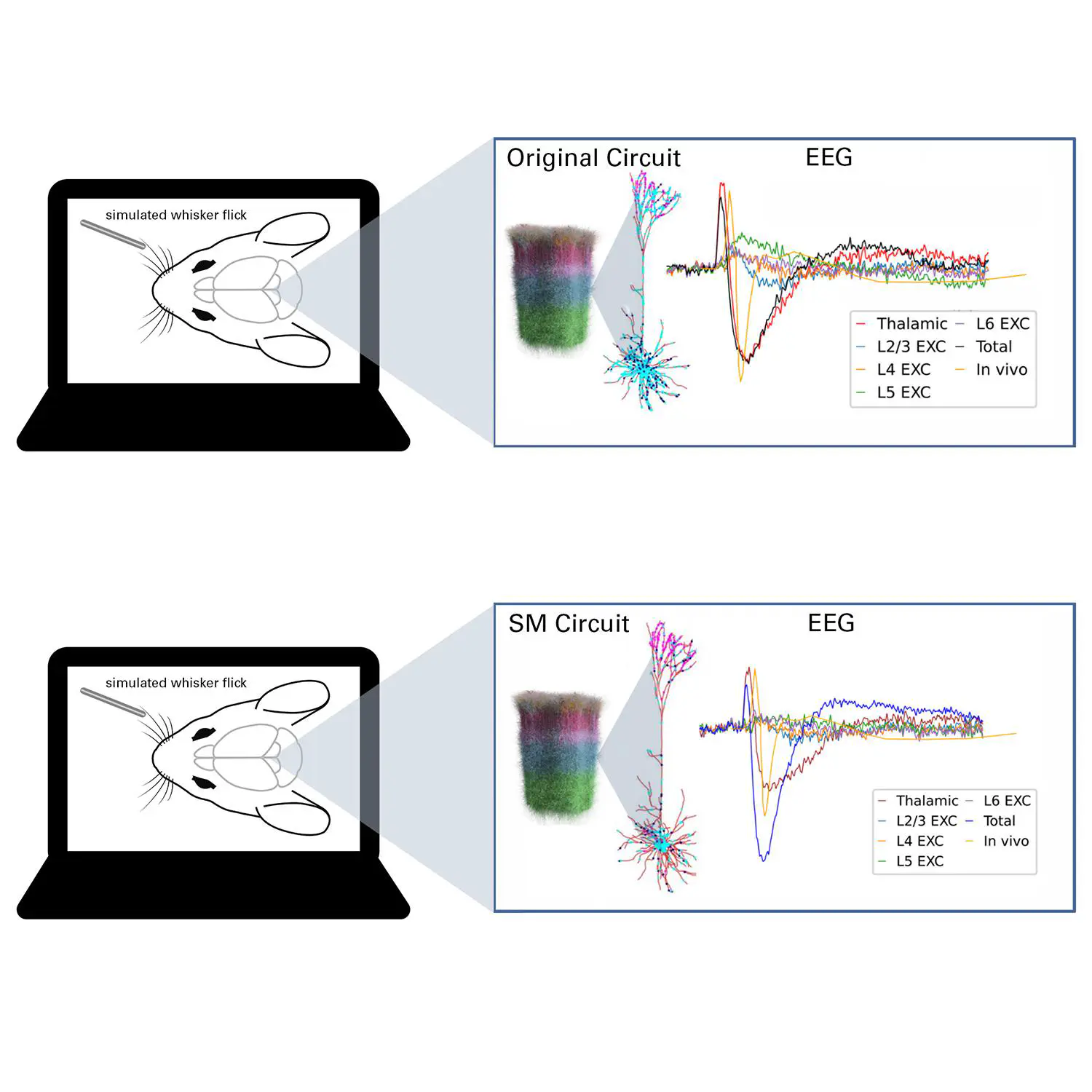
Whisker flick stimulation is a commonly used protocol to investigate somatosensory processing in rodents. Neural activity evoked by whisker flicks produces a characteristic electroencephalogram (EEG) waveform known as a somatosensory evoked potential (SEP).
Joseph Tharayil, James B. Isbister, Esra Neufeld, and Michael Reimann, iScience 2025, Volume 28, Issue 11, Article no. 113793, online 06 November 2025; doi: 10.1016/j.isci.2025.113793
Whisker flick stimulation is a commonly used protocol to investigate somatosensory processing in rodents. Neural activity evoked by whisker flicks produces a characteristic electroencephalogram (EEG) waveform known as a somatosensory evoked potential (SEP). In this paper, computational modeling is used to make predictions about the neural populations that contribute to this signal, either through their own membrane currents, or the membrane currents they elicit in downstream populations. While the model cannot fully explain the mechanisms of SEP generation, it is predicted that the initial positive deflection of the EEG waveform is driven largely by direct thalamic inputs to Layer 2/3 and Layer 5 pyramidal cells, while the negative deflection is driven by a more complex mix of sources, including thalamic and recurrent cortical connectivity. Small changes to the local connectivity of the circuit can have an important impact on the recorded EEG, without substantially affecting firing rates, suggesting that EEG may be useful in constraining in silico neural models.
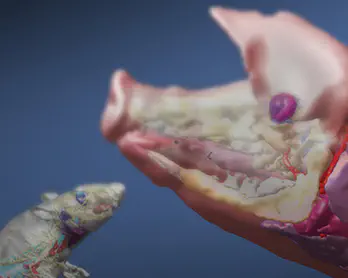
The finite element method was used to create a model of the rat head, with a recording electrode positioned directly over the forelimb region and a reference electrode positioned over the hindlimb region of the somatosensory cortex. The Sim4Life platform (ZMT Zurich MedTech AG, Zurich, CH) was used to simulate a current applied between the electrodes and calculated the resulting electric potential generated in the rat head.
The scientific and technical impact of the study can be summarized as:
The reciprocity-theorem-based approach previously developed by IT’IS was applied, whereby recordable signals from complex neural activity in heterogeneous anatomical environments are simulated, to study whisker-flick-evoked EEG in a rat model
It is shown that the rat somatosensory cortex model of the Blue Brain Project replicates many features of the in vivo whisker-flick-evoked EEG
Leveraging the ability of simulations to isolate signal contributions, the team attributed different components of the whisker-flick-evoked EEG to distinct neural populations and activity types
Results reveal that small changes to circuit connectivity can have a large impact on the EEG, even when firing rates remain unaffected, which suggests that EEG data can be used to constrain and validate in silico models
Understanding the origins and formation of EEG signals could inform the design of recording configurations that maximize the signal information content, e.g., for brain-machine-interfaces
November 06, 2025
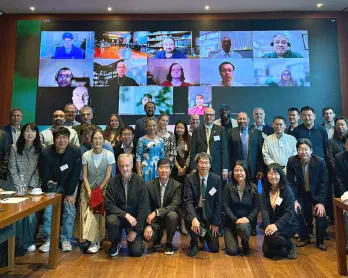
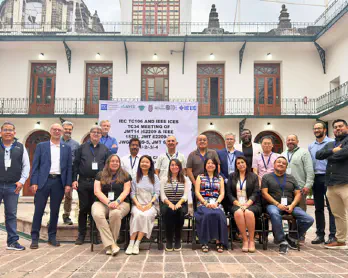
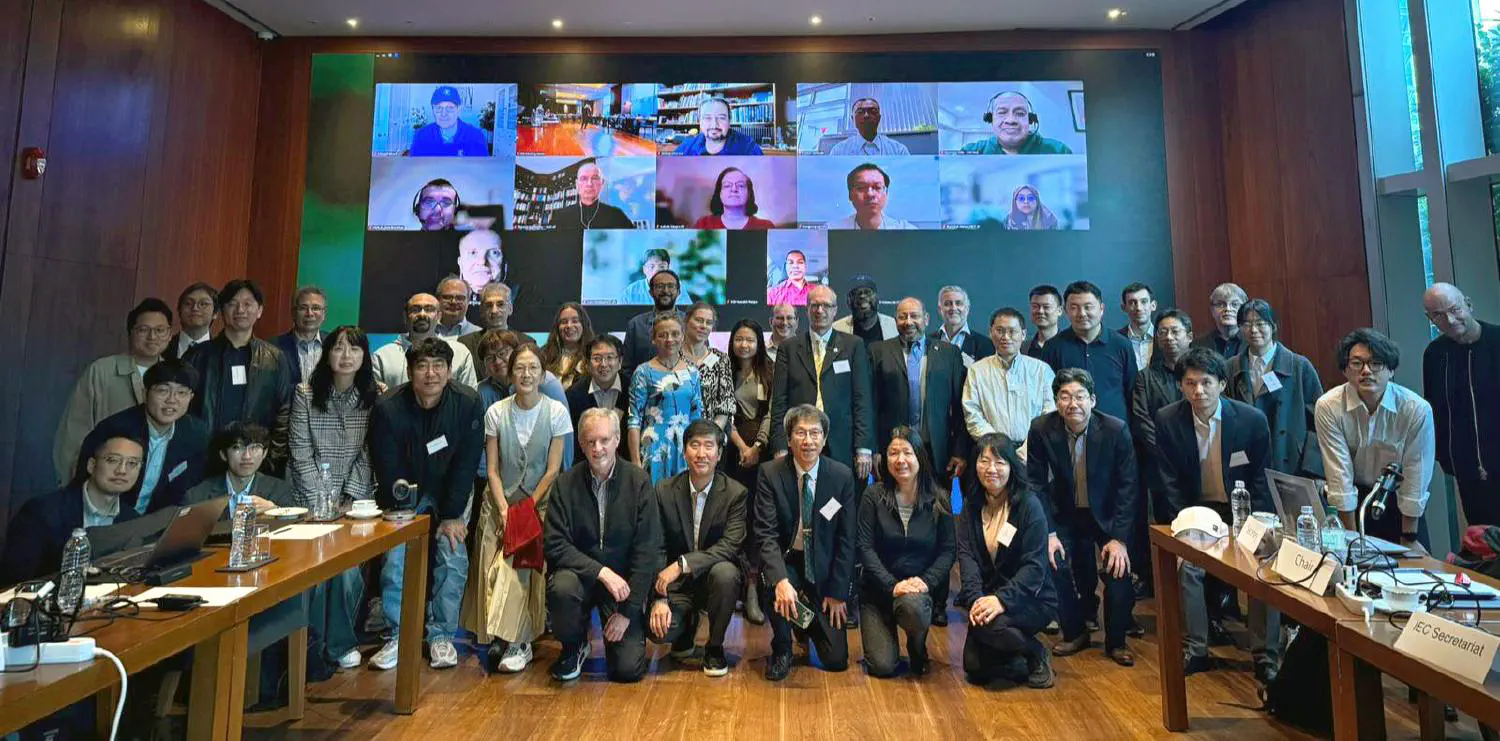
The IEC TC106 and IEE ICES TC34 joint standards meetings were held in Busan, South Korea last week, generously hosted by the National Radio Research Agency (RRA) and well organized by the Telecommunications Technology Association (TTA). The relaxed beach atmosphere in Busan provided a good environment to make significant progress on key topics for human exposure assessment standards.
The IEC TC106 and IEE ICES TC34 joint standards meetings were held in Busan, South Korea last week, generously hosted by the National Radio Research Agency (RRA) and well organized by the Telecommunications Technology Association (TTA). The relaxed beach atmosphere in Busan provided a good environment to make significant progress on key topics for human exposure assessment standards.
Two research contributions of IT’IS and IT’IS USA have been presented and discussed, both improving the efficiency of system validation of the Committee Draft of IEC/IEEE PAS 62209-5, one by adding statistical sampling techniques, and one by performing pattern validation. The publicly available specification (PAS) is on track for publication in late 2026, after which it will be adopted into IEC/IEEE 62209-3 and IEC/IEEE 62209-1528 standards for specific absorption rate (SAR) measurement.
The skin model based on measurements of 44 volunteers published by IT’IS (Christ et al., bioRxiv 2025.05.26.652827; doi: https://doi.org/10.1101/2025.05.26.652827 has been adopted as the reference skin model for measurement and simulations of absorbed power density (APD) in IEC/IEEE 63195-3/4. These standards are scheduled for publication in late 2027. Meanwhile, a Technical Report (TR) for APD assessment IEC/IEEE TR 63572 has concluded final voting.
IEC/IEEE 62209-1528 Amendment 1 was recently submitted to IEEE for voting, and the parallel IEC voting process is in preparation, with publication expected in May 2026. This amendment includes important updates for SAR evaluation of devices using dynamic power control, proximity sensors, and motion sensors for exposure mitigation, as well as procedures for measurement of SAR in the hand. Niels Kuster presented a new and fast method to combine spatial sSAR1g/10g distributions from simultaneous transmitters that complies with existing procedures. These sSAR1g/10g distributions will become available before end of the year in DASY8 Module SAR and APD as well as cSAR3D.
The week also included progress and updates on IEC/IEEE 62704 series of numerical standards for SAR evaluation, IEC/IEEE 63480 for radiative wireless power transfer (WPT) systems, IEC/IEEE 63184 for inductive WPT systems, and IEC/IEEE 62209-3 for SAR measurement by vector measurement-based systems.
Mark Douglas of IT’IS received the 1906 Award by the IEC in recognition of exceptional achievements in advancing IEC standards.
October 25, 2025
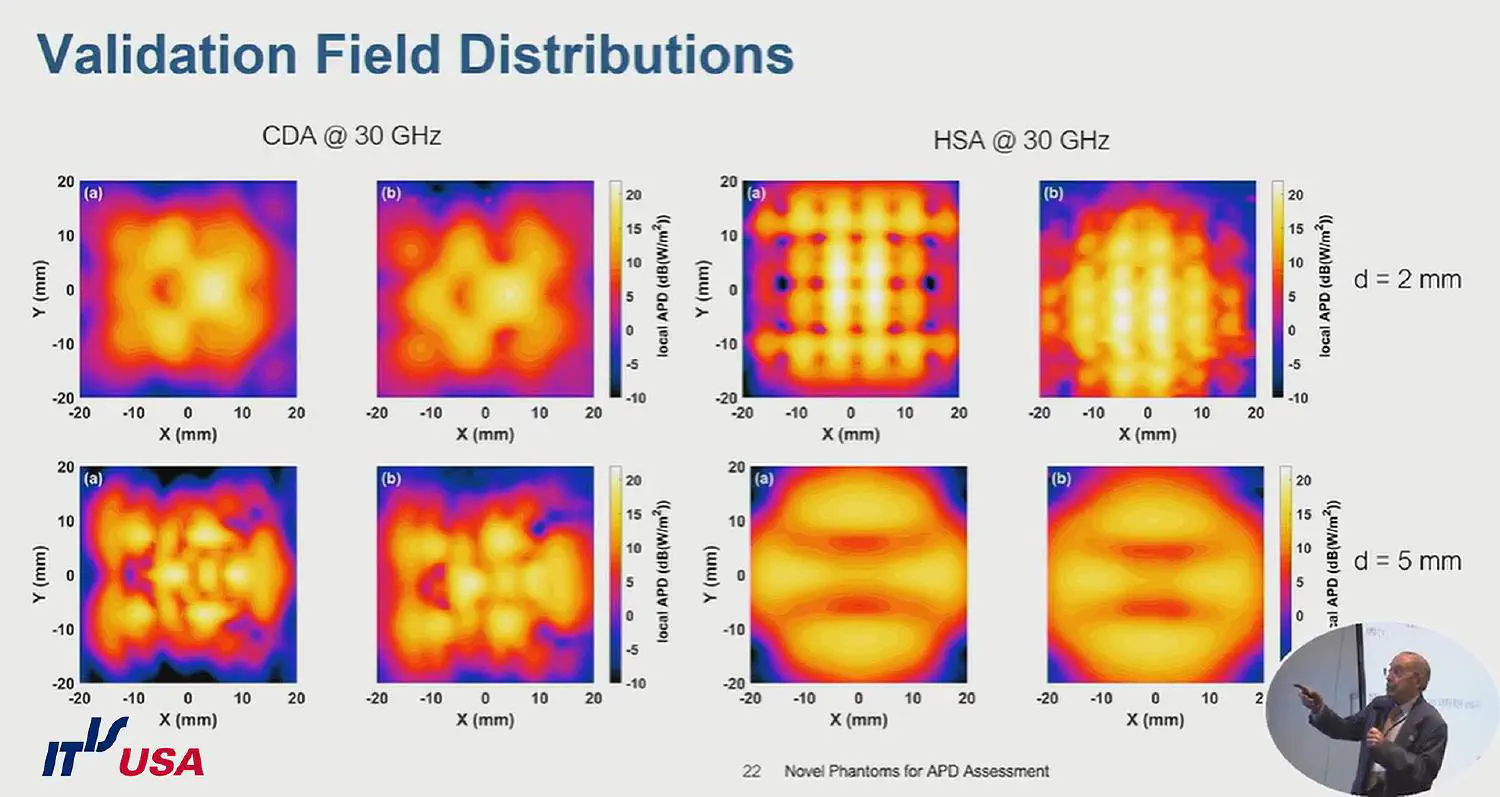
IT’IS USA presented the latest research on millimeter and sub-THz exposure systems at the TCB Council workshop in Baltimore MD, October 20 – 23, 2025. This workshop, which was preceded by a one-day radiofrequency (RF) exposure training session on October 20, was unusual in that the typical full day of presentations by the Federal Communications Commission (FCC) had to be re-organized due to the U.S. government shutdown: representatives from the FCC Office of Engineering and Technology (OET) and the National Institute of Science and Technology (NIST) were unable to attend.
IT’IS USA presents latest research in millimeter and sub-THz exposure systems.
The TCB Council workshop, a semi-annual event, was held in Baltimore, Maryland from October 21 – 23, 2025. This workshop, which was preceded by a one-day radiofrequency (RF) exposure training session on October 20, was unusual in that the typical full day of presentations by the Federal Communications Commission (FCC) had to be re-organized due to the U.S. government shutdown: representatives from the FCC Office of Engineering and Technology (OET) and the National Institute of Science and Technology (NIST) were unable to attend. However, Adam Chan, the Director of the FCC Council on National Security, attended and presented an update on the FCC’s enforcement of its “Bad Labs” rules, including withdrawal of recognition of testing labs that are owned or controlled by a nation considered a foreign adversary of the USA. Chan also summarized the FCC’s enforcement of the U.S. Secure Equipment Act, which prohibits authorization of equipment and services that are identified as a threat to US national security.
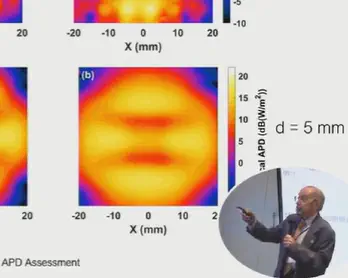
Prof. Quirino Balzano, IT’IS USA, presented the latest research on exposure evaluation at millimeter-wave and sub-hertz (sub-THz) frequencies. He presented the state-of-the-art in methods for measerment of absorbed power density (APD), including skin models, the dosimetric probe, field reconstruction, and validation sources. The results of a prototype system for an optical modulator being developed for measurements at sub-THz frequencies were presented. Innovation, Science and Economic Development (ISED) Canada presented their latest regulatory updates, including the 2nd editions of the guidelines for specific absorption rate (SAR) measurement (RSS-102.SAR.MEAS) and incident power density (IPD) measurement (RSS-102.IPD.MEAS). Numerical evaluation is accepted on a limited basis by the FCC and ISED. Kaitlin O’Keefe of RF Safety Labs presented an overview of the standards, regulatory guidelines, and requirements for the use of numerical simulations to evaluate RF exposure.
October 17, 2025
From October 13 – 16, 2025, SEAWave partners, including IT’IS and external advisor Ronald L. Melnick, gathered in Lyon for the Work Package 9 Risk Assessment Workshop hosted by the International Agency for Research on Cancer (IARC). The objective was to evaluate the potential risk of skin cancer associated with 5G new radio frequency range 1 (NR FR1) and FR2 exposures.
From October 13 – 16, 2025, SEAWave partners, including IT’IS and external advisor Ronald L. Melnick, gathered in Lyon for the Work Package 9 Risk Assessment Workshop hosted by the International Agency for Research on Cancer (IARC). The objective was to evaluate the potential risk of skin cancer associated with 5G new radio frequency range 1 (NR FR1) and FR2 exposures. To achieve this, participants combined published data with the results of the specific experiments conducted within the SEAWave project since 2022, in which human volunteers, rodents, and cell cultures were exposed to maximized FR2 signals at 27.5 GHz.
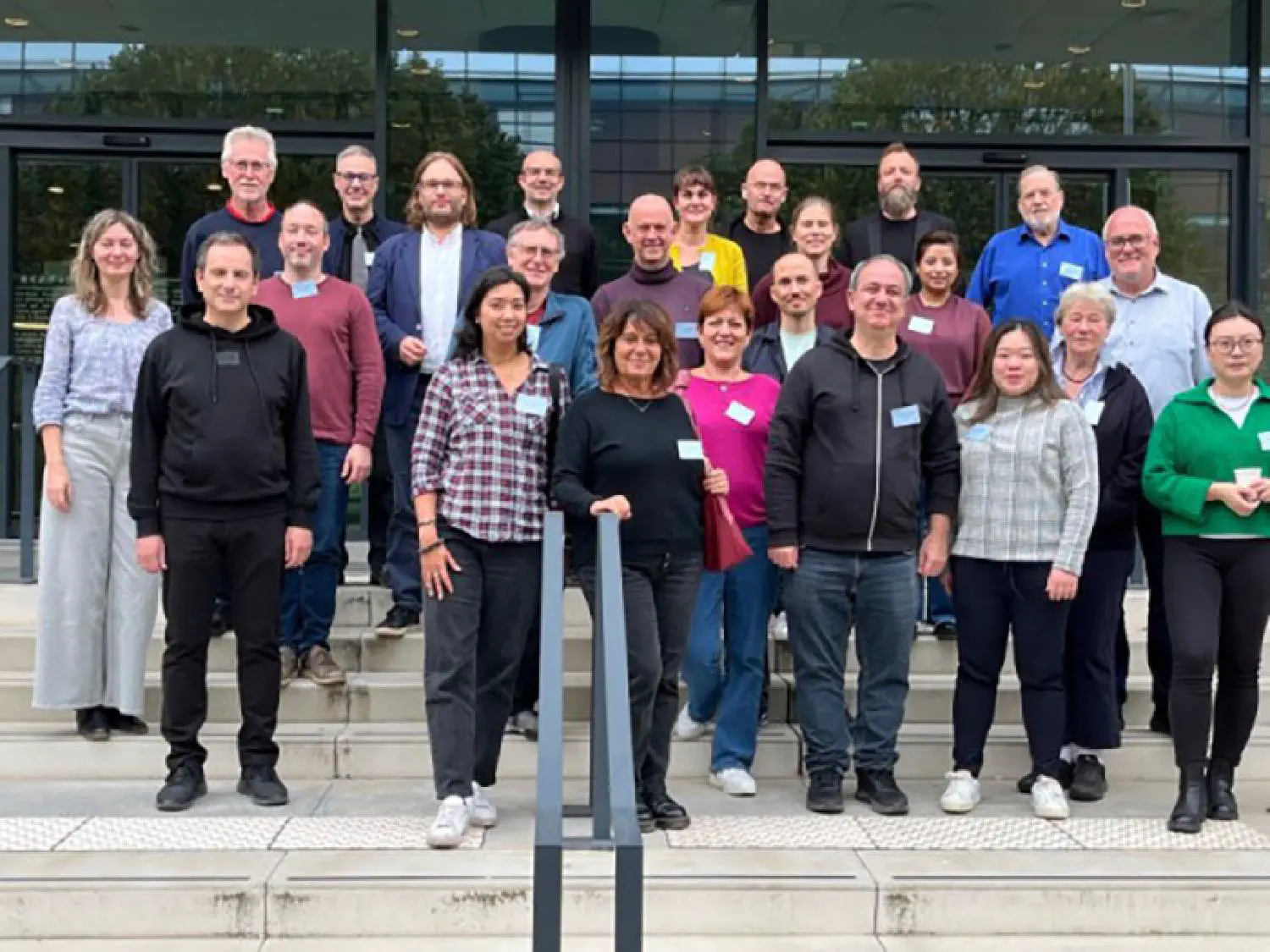
At the productive meeting, all inputs were carefully reviewed and discussed to assess whether the current evidence is strong, limited, or insufficient to establish any association between exposure to 5G NR FR1 or FR2 and the development of skin cancer. SEAWave’s External Advisory Board, made up of Dr. Clemens Dasenbrock – formerly of the Fraunhofer Institute for Toxicology and Experimental Medicine in Hannover, Germany – and Ron Melnick, who served as a toxicologist at the National Institute of Environmental Health Sciences (NIEHS) and the National Toxicology Program (NTP) in Durham NC, USA – provided expert guidance to ensure that the project was executed according to plan and within EU guidelines. The final conclusions and detailed discussions will be published soon.
SEAWave, is co-funded by the HORIZON Research and Innovation Actions (Belgium) and the State Secretariat for Education, Research, and Innovation (SERI, Switzerland). A big thank you to our colleagues at IARC and all SEAWave partners for their inspiring discussions and collaborative work during the workshop!
September 4, 2025
The NIH SPARC program has approved a no-cost extension for the IT’IS SIM-Core team, ensuring continued activities through an extended final year of the program, specifically for their o²S²PARC platform.
The NIH SPARC program has approved a no-cost extension for the IT’IS SIM-Core team, ensuring continued activities through an extended final year of the program.
IT’IS has been granted a no-cost extension under the NIH SPARC program, specifically for their o²S²PARC platform.
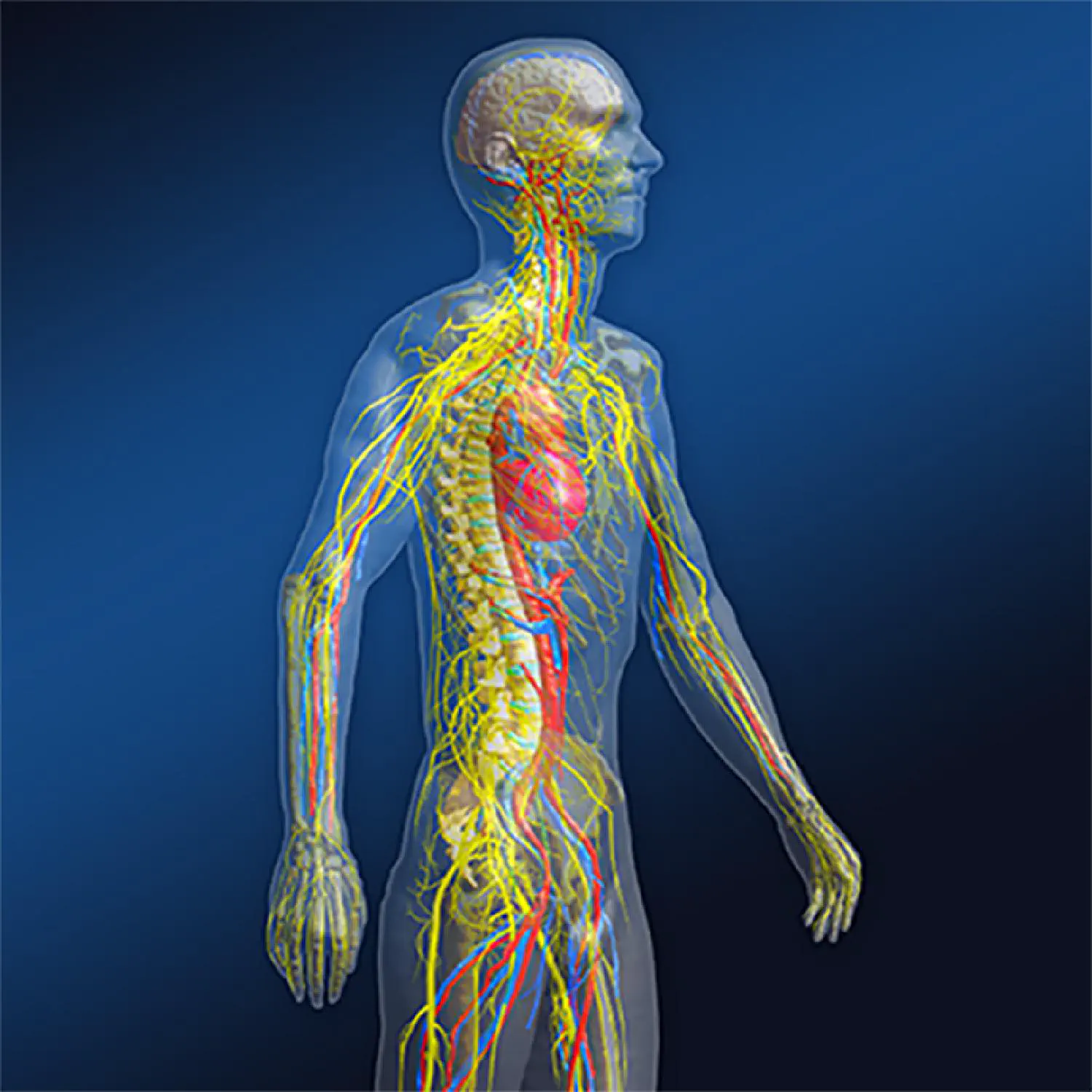
Since 2017, o²S²PARC (Open Online Simulation Platform for Stimulating Peripheral Activity to Relieve Conditions) has grown into a powerful, cloud-based environment for collaborative model development, coupling, execution, visualization, and analysis – enabling predictive, multiscale, multiphysics simulations from peripheral nerve stimulation to organ-level response. The no-cost extension for Year 8 will officially conclude at the end of April 2026 and primarily enable the IT’IS team to ensure that the forthcoming vagus nerve data from SPARC Phase 2 REVA projects can be leveraged from within o²S²PARC and is fully compatible with established o²S²PARC pipelines, such as those for neural interface safety and effectivity assessment.
Sustaining o²S²PARC’s longevity beyond the scheduled end of the program also remains a key focus of SIM-Core. In addition, working in close partnership with its partners from the SPARC Data and Resource Center, IT’IS remains committed to strengthening the SPARC Portal as a cornerstone resource for the neuromodulation research community.
The continued support from the NIH Common Fund for the o²S²PARC platform will be highly beneficial to IT’IS USA and its U.S. partners.
August 20, 2025
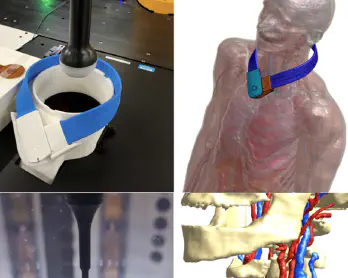
SetPoint Medical has recently obtained FDA approval for an implanted, rechargeable neurostimulator and its accompanying neck-worn wireless charger. The IT’IS Customized Research Team supported this effort ensuring dosimetric compliance. The system delivers electrical pulses to help reduce inflammation in patients with rheumatoid arthritis.
SetPoint Medical has recently obtained FDA approval for an implanted, rechargeable neurostimulator and its accompanying neck-worn wireless charger. The IT’IS Customized Research Team supported this effort ensuring dosimetric compliance. The system delivers electrical pulses to help reduce inflammation in patients with rheumatoid arthritis.
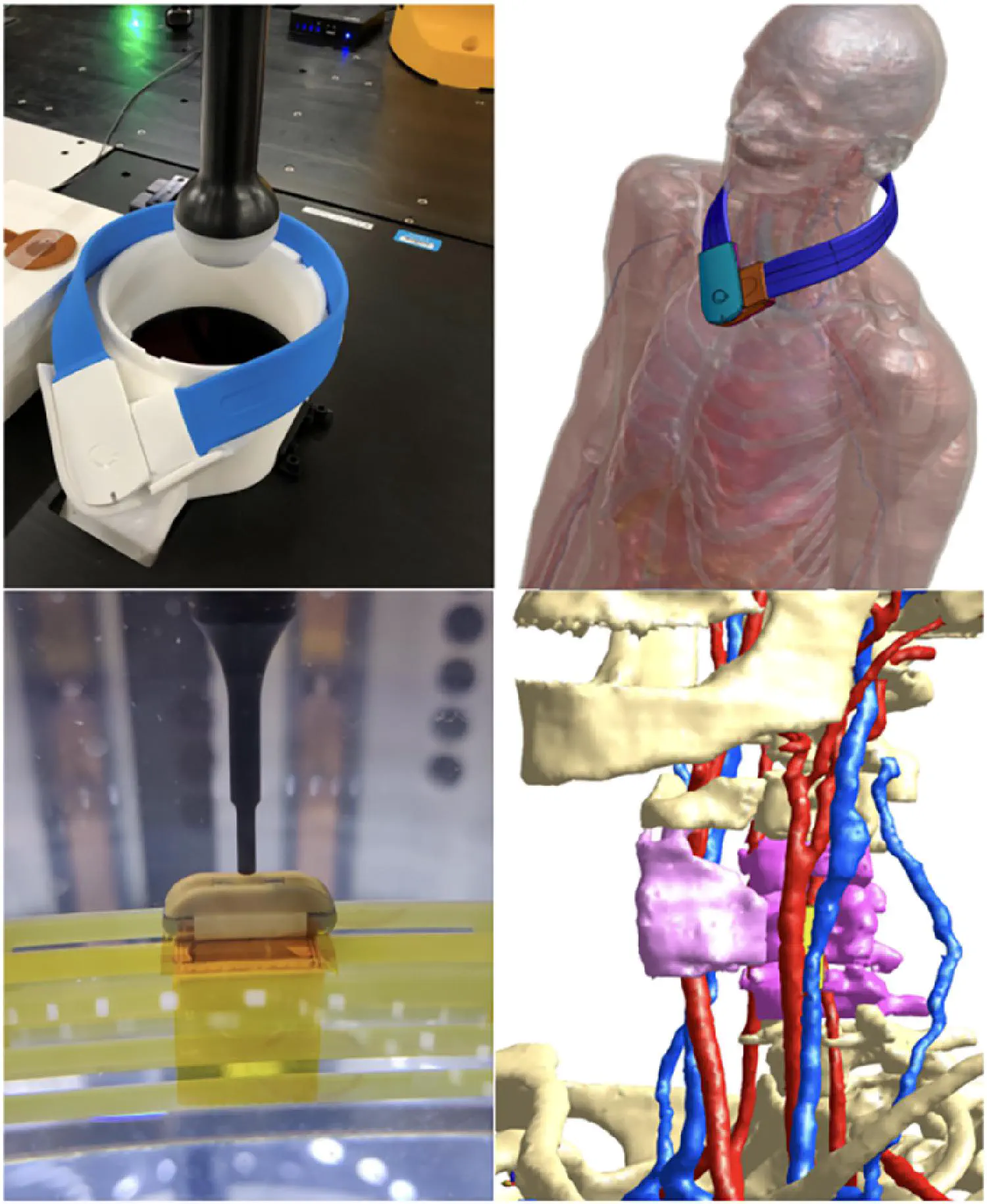
The SetPoint System is a small leadless neurostimulator implanted at the vagus nerve, which applies electrical stimulation for one minute each day. The stimulation can reduce crippling inflammation and “reset” the immune system. A neck-worn wireless Charger delivers power to the Implant for a few minutes a week. The Food and Drug Administration (FDA) granted the system “Breakthrough Device Designation”, and commercial approval was recently granted following a successful clinical study.
To support the dosimetric compliance of the SetPoint System wireless charger, the IT’IS team
generated a numerical model of the charger and validated it with magnetic field measurements with SPEAG’s DASY Module WPT;
determined the specific absorption rate (SAR) values (peak spatial-average SAR and whole-body SAR) in ten Virtual Population anatomical models by simulations with the validated charger model with Sim4Life;
evaluated the compliance of the charger by comparing the SAR results against FCC regulations and ICNIRP guidelines; To support the magnetic resonance imaging (MRI) compatibility of the SetPoint System Implant with Pod, the IT’IS Laboratory (Switzerland)
performed tests following ISO/IEC 10974, utilizing ZMT’s benchtop exposure systems MITS, MITS-HFR, and MITS-Gradient, as well as custom-designed injection tests;
related the measured test responses to conservative in vivo levels with the FDA-qualified Medical Device Development Tool, IMAnalytics with MRIxViP and BCLib, to estimate the electric fields incident to the Implant for all MR exposure scenarios (MR system settings, anatomical phantoms, body coils and imaging landmarks);
and performed MR scanner tests with partner GyroTools LLC, including image artifact assessment per ASTM F2119.
The SetPoint System is an example of the application of neurostimulation to modulate inflammation, which plays a key role in autoimmune diseases. SetPoint is also planning to evaluate its platform for treatment of additional autoimmune indications, including multiple sclerosis and Crohn’s disease.
August 5, 2025
Aiping Yao, Tolga Goren, Bryn A. Lloyd, Carina J. Fuss, Silvia Farcito, Jing Wang, Pengfei Yang, and Niels Kuster, Physics in Medicine and Biology 2025, Volume 70, Issue 17, online 29 July 2025; doi: 10.1088/1361-6560/adf58d
Aiping Yao, Tolga Goren, Bryn A. Lloyd, Carina J. Fuss, Silvia Farcito, Jing Wang, Pengfei Yang, and Niels Kuster, Physics in Medicine and Biology 2025, Volume 70, Issue 17, online 29 July 2025; doi: 10.1088/1361-6560/adf58d
Prone (face-down) postures, commonly used in breast examinations, as well as in wrist and elbow imaging, change the induced current path in the body and, therefore, the incident electric (E-) fields to implants during magnetic resonance imaging (MRI) scans, potentially leading to significant variations from risk predictions made on the basis of supine postures. The goal of this work is to investigate the impact of prone compared to supine postures in MRI breast examination on the radiofrequency (RF-) induced heating of medical implants.
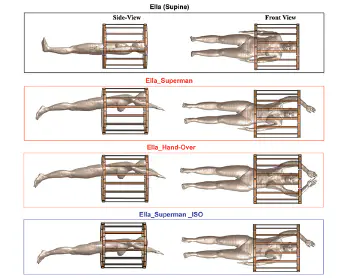
To assess these effects, the Virtual Population (ViP) anatomical model Ella, modified with breast shapes typical of prone examinations, was posed with one or both arms raised above the head. The head was positioned either adjacent to the bore wall, typical for breast MRI examinations where the patient is prone, or centrally within the bore, common in supine positioning. The RF-induced E- fields and worst-case power depositions at breast imaging landmarks were compared with those from the supine Ella model for a representative generic pacemaker, a deep brain stimulator (DBS) implant, and cochlear implants.
The results indicate that prone positions typical of breast examinations can lead to differences in the incident E-field and the corresponding RF-heating at 1.5 T of up to 0.6 dB for pacemakers, 1.7 dB for DBS, and 4.9 dB for cochlear implants, compared to the corresponding supine imaging landmarks. At 3.0 T, the corresponding differences in RF-heating are 0.3 dB for pacemakers, 0.2 dB for DBS, and 2.5 dB for cochlear implants.
These findings underscore that it is important to consider patient posture in RF safety assessments of implantable medical devices in the head and neck regions. To avoid underestimation of local RF exposure near these implants, a comprehensive posture-aware safety protocol should be designed and implemented during the RF safety evaluation and labeling.
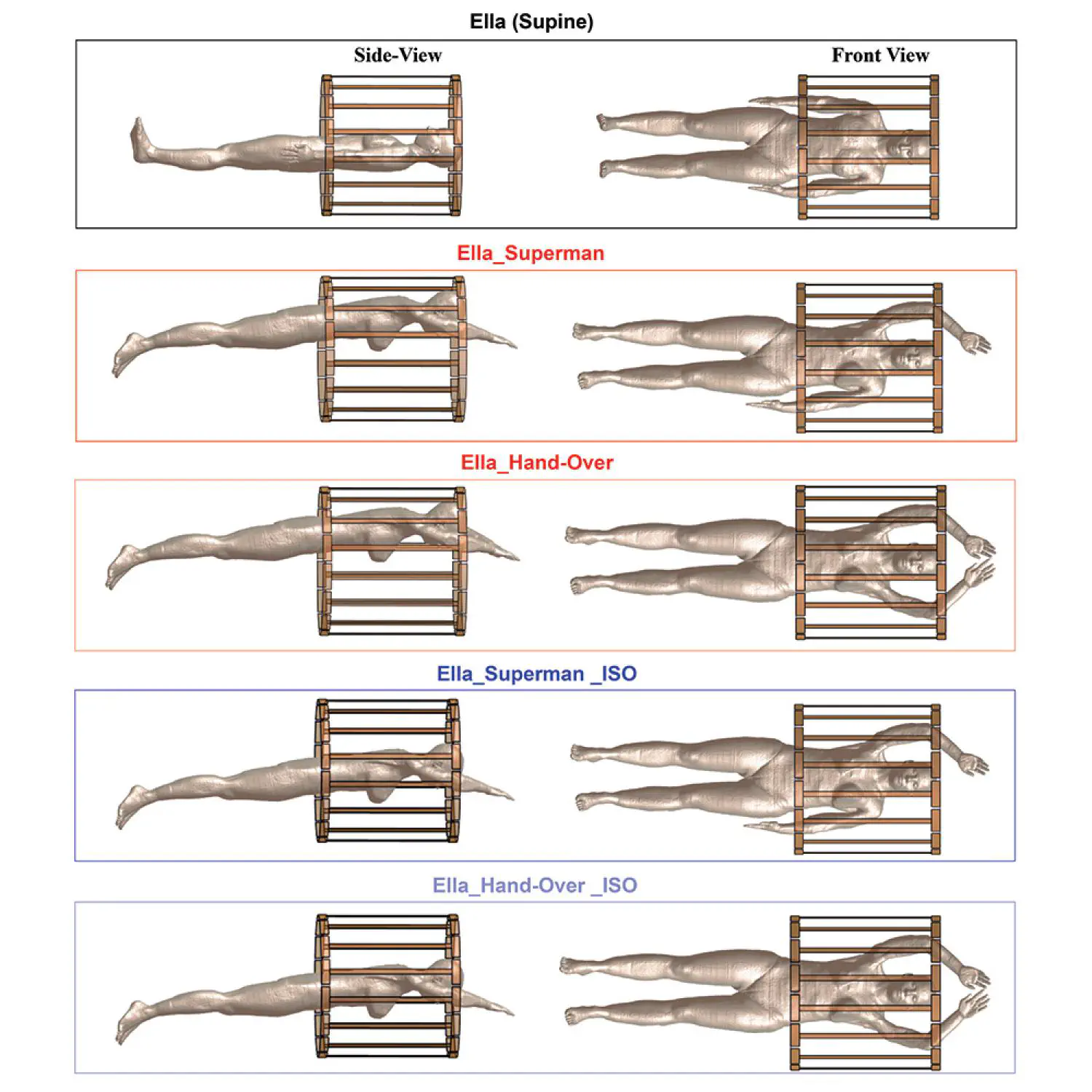
The E- field simulations in this work to model the induced E- fields inside the human body were performed on the Sim4Life platform (ZMT Zurich MedTech AG) with the EM-FDTD solver. The high-resolution ViP model Ella (IT’IS) was modified by morphing to represent MRI postures with one (“Superman”) or both arms (“Hands_Over”) up; the resulting field distributions are being added to MRIxViP exposure library (IT’IS). The tissue properties were assigned according to the IT’IS tissue properties database.
The scientific and technical impact of the study can be summarized as:
July 10, 2025
IT’IS advises and supports industry and regulators in developing safer and more effective medical devices, with a particular focus on neurostimulation and bioelectronics medicine.
In silico evidence on safety and effectivity is becoming increasingly accepted – and even requested – in medical device regulatory submission. However, it must be supported by thorough verification, validation, and uncertainty quantification to establish confidence in the results.
IT’IS advises and supports industry and regulators in developing safer and more effective medical devices, with a particular focus on neurostimulation and bioelectronics medicine.
In silico evidence on safety and effectivity is becoming increasingly accepted – and even requested – in medical device regulatory submission. However, it must be supported by thorough verification, validation, and uncertainty quantification to establish confidence in the results.
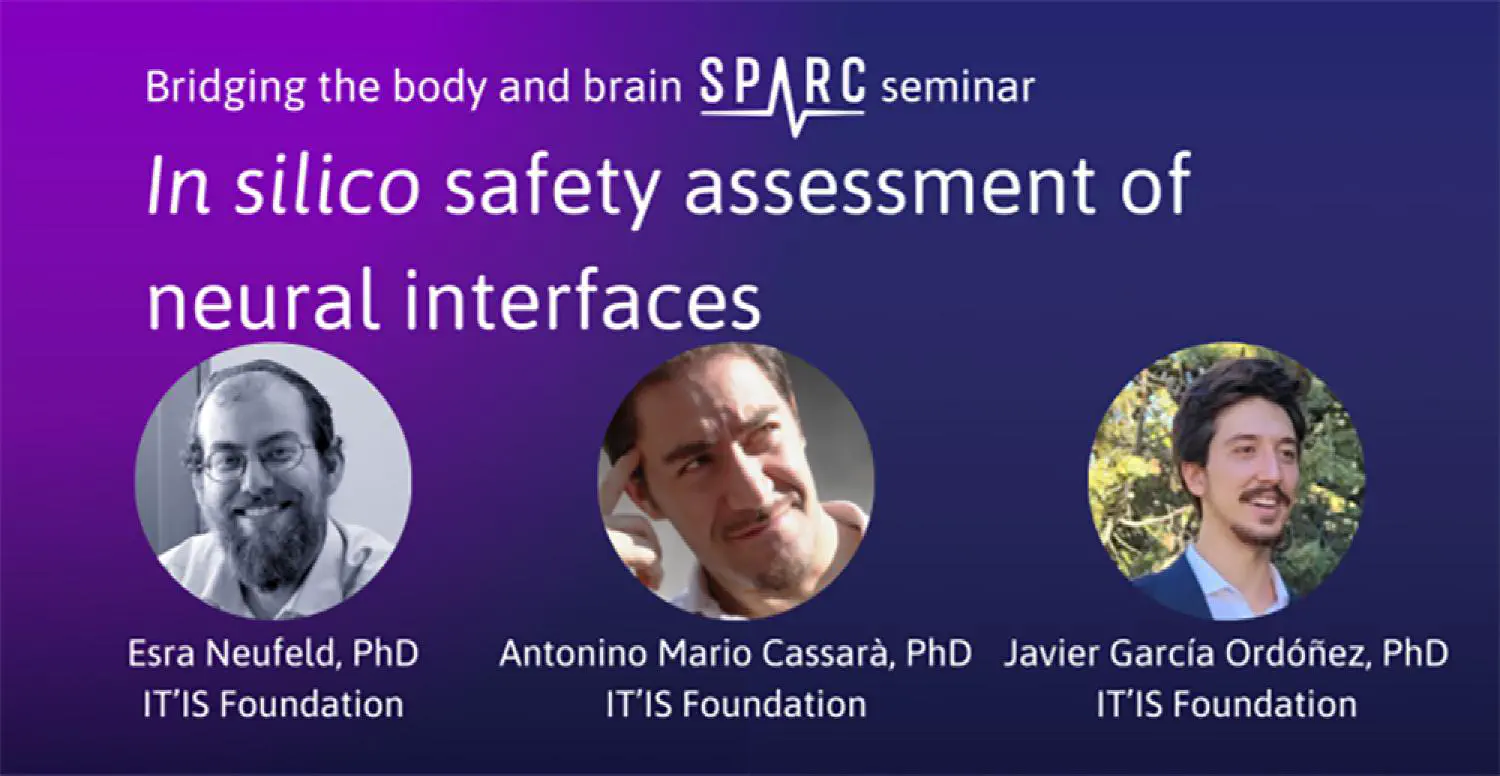
In the upcoming webinar on July 30, 2025, at 5 pm CET, Esra Neufeld, Antonino Cassarà, and Javier García Ordóñez will present and discuss a recently established in silico assessment pipeline and its application to a generic vagus nerve stimulation interface. The pipeline was realized using the o²S²PARC platform – the powerful, open-source, cloud-based platform for collaborative and FAIR (Findable, Accessible, Interoperable, and Reusable) modeling developed as part of the NIH SPARC program – and the application example leverages histological data from SPARC researchers.
Key topics of the seminar will include:
Histology-based modeling of neural interfaces: electromagnetic dosimetry, induced heating, neural responses, and damage predictors
Systematic variability and modeling uncertainty quantification
Multi-goal device design optimization that considers safety, effectivity, and power efficiency
Using surrogate-based metamodeling to efficiently explore high-dimensional parameter spaces
o²S²PARC functionalities that support all of the above
If you are curious about in silico methodologies, neural interface simulations, or regulatory-grade modeling, this is for you!
Register here.
June 04, 2025
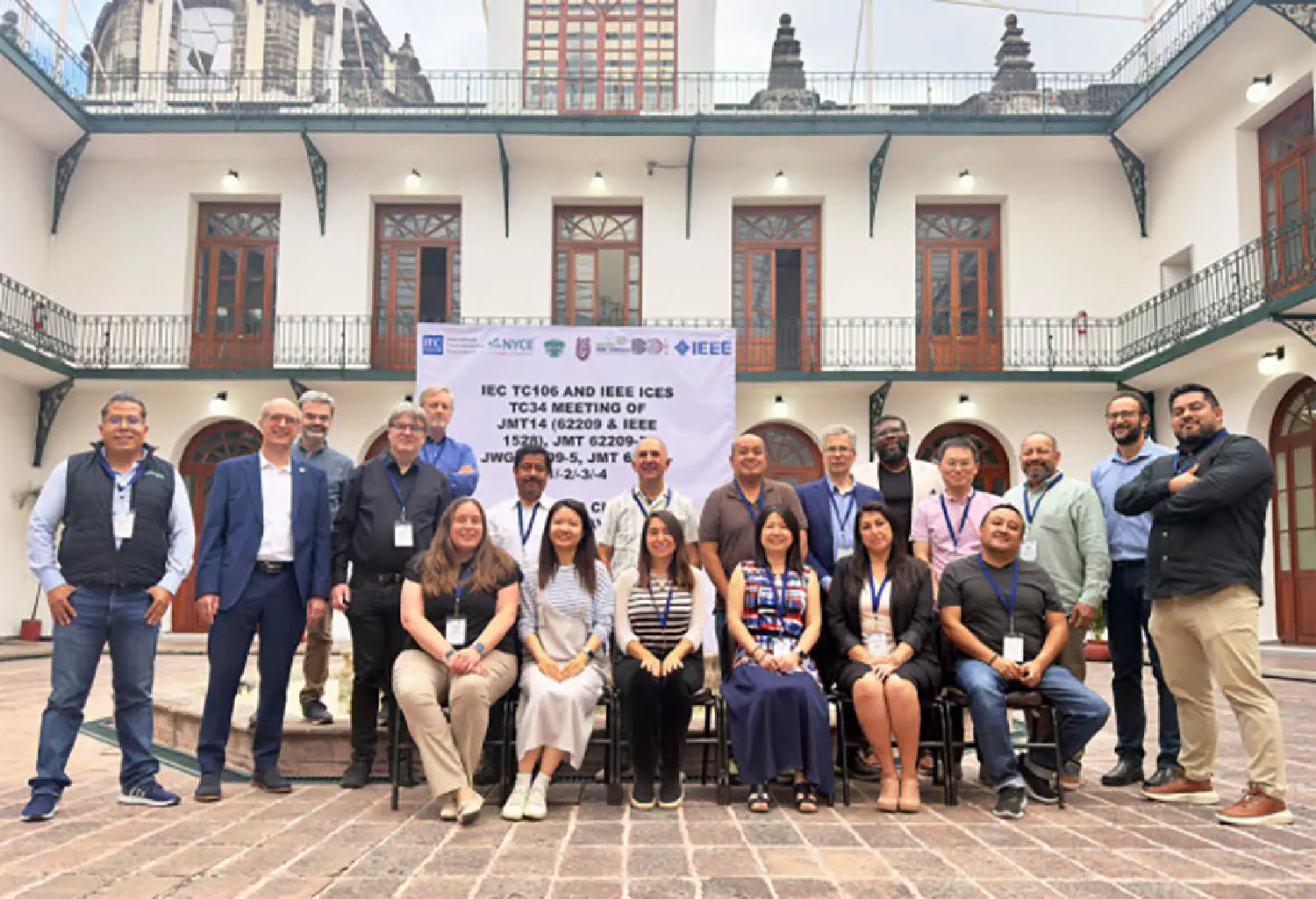
The IEC TC106 and IEEE ICES TC34 joint standards meetings were held in Mexico City last week, generously hosted by the Mexican National Committee of IEC TC106. The warm weather and vibrant location at National Polytechnic Institute provided a conducive environment to present solutions and develop consensus on the next electromagnetic exposure assessment standards.
The IEC TC106 and IEEE ICES TC34 joint standards meetings were held in Mexico City last week, generously hosted by the Mexican National Committee of IEC TC106. The warm weather and vibrant location at National Polytechnic Institute provided a conducive environment to present solutions and develop consensus on the next electromagnetic exposure assessment standards.
Amendment 1 of IEC/IEEE 62209-1528 is on track for submission in August as a Final Draft International Standard (FDIS). Joint Working Group (JWG) 14 reviewed all comments from the last round of voting. This amendment includes useful updates for specific absorption rate (SAR) evaluation of devices using dynamic power control, proximity sensors, and motion sensors for exposure mitigation.
The IEC/IEEE 62209-5 meeting included several interesting presentations and a plan to complete the draft this summer. This will provide a common validation for all SAR measurement systems, which will be referenced by both IEC/IEEE 62209-1528 and IEC 62209-3. The presentations included new concepts for validating SAR patterns which potentially could reduce the number of configurations to test.
The revision of IEC 62209-3 for vector measurement-based systems made good progress and is on track to be completed this summer. All comments have been reviewed, and final action items have been assigned.
Dr. Andreas Christ presented the skin model derived from a volunteer study (Christ et al., bioRxiv 2025.05.26.652827; doi: https://doi.org/10.1101/2025.05.26.652827). It was decided to use this model as the basis for the absorbed power density (APD) standard from 6 – 110 GHz. IEC/IEEE 63195-3 and -4 (for APD measurements and simulations, respectively) are expected to ready this September as Committee Drafts. In the meantime, a Technical Report on APD is in the final voting stage and is expected to be ready for publication at the end of this month.
The week concluded with progress on IEC/IEEE 62704 series of numerical standards for SAR evaluation, and significant improvements to the draft IEC/IEEE 63480 for radiative wireless power transfer systems.
May 22, 2025
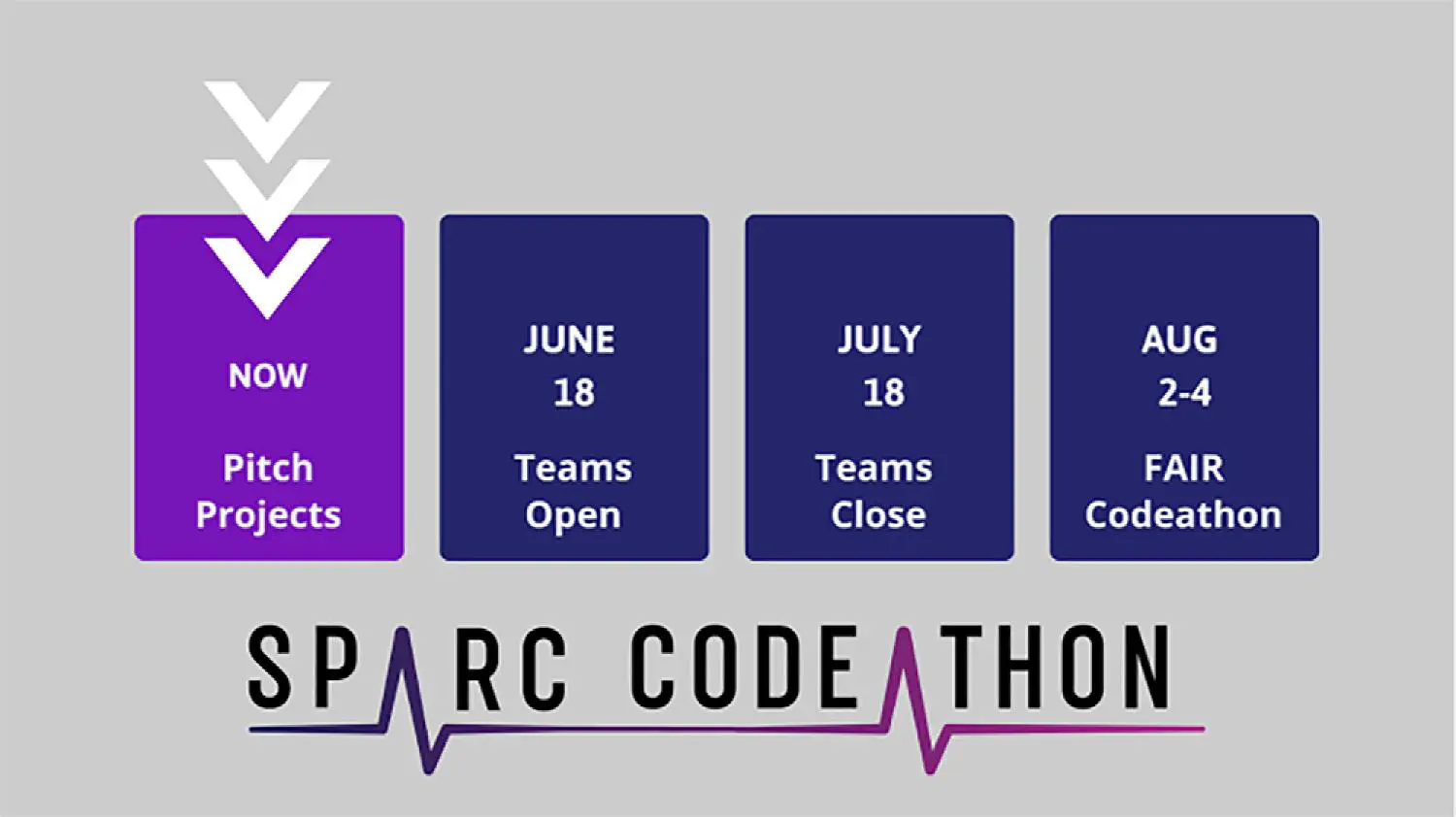
Are you ready for a challenge? Submit your project ideas for the interactive 3-day SPARC FAIR Codeathon 2025 happening August 2 – 4, with US$20,000 in total prizes! SPARC, funded by the National Institutes of Health, is a large research program dedicated to advancing the understanding, technologies, and therapeutic approaches in the realm of the autonomic nervous system and its impact on organ physiology.
Are you ready for a challenge? Submit your project ideas for the interactive 3-day SPARC FAIR Codeathon 2025 happening August 2 – 4, with US$20,000 in total prizes!
SPARC, funded by the National Institutes of Health, is a large research program dedicated to advancing the understanding, technologies, and therapeutic approaches in the realm of the autonomic nervous system and its impact on organ physiology. IT’IS, together with its SPARC Data and Resource Center (DRC) partners, is looking for creative project ideas for the interactive 3-day SPARC FAIR Codeathon 2025 happening August 2 – 4, with US$20,000 in total prizes!
The DRC is developing key technology to enable not only open sharing of FAIRly produced data, but also surfacing relationships and connections that bridge organs, experimental approaches and other relevant information to bring focus to the peripheral and autonomic nervous system. In this Codeathon, the DRC is looking for exciting projects which use SPARC data and/or SPARC tools and resources in novel ways, particularly in helping to visualize, enhance, demonstrate, or measure the findability, accessibility, interoperability, or reusability (FAIRness) of the data.
Since 2017, IT’IS develops and maintains o²S²PARC – an interactive, online simulation platform that allows collaborative development and sharing, model coupling and cloud-based execution of computational models, simulations, data visualization and analysis, and the presentation of results.
The IT’IS o²S²PARC platform has proven pivotal to the SPARC FAIR Codeathon in the past, providing participants with a robust, cloud-based environment for developing, executing, and sharing computational models and simulations, and will again play a key role in the forthcoming Codeathon. Designed to uphold the FAIR principles, o²S²PARC enables researchers to build reproducible workflows without the need for local installations or advanced programming skills. Its user-friendly interface supports a wide range of applications, from gene expression data visualization to complex physiological modeling, facilitating collaborative innovation and accelerating the development of novel biomedical solutions. By integrating o²S²PARC into the Codeathon, participants can effectively leverage SPARC resources to create impactful, shareable tools that advance the field of bioelectronic medicine.
Submit your ideas for Codeathon projects today!
More information is available on the SPARC Portal, including examples of previous Codeathon projects.
April 10, 2025
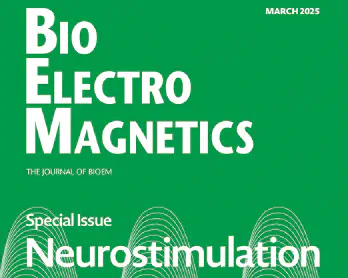
The journal Bioelectromagnetics launched its first Special Issue, with this inaugural edition focused on the dynamic and rapidly advancing field of neurostimulation. Among the featured contributions are two notable publications from IT’IS. The majority of the publications are available via open access.
A Featured Collection of Publications in Bioelectromagnetics Special Issue on Neurostimulation.
The journal Bioelectromagnetics launched its first Special Issue, with this inaugural edition focused on the dynamic and rapidly advancing field of neurostimulation. The guest editors are Alvaro Pascual-Leone (Harvard, USA) and Esra Neufeld (IT’IS, Switzerland). The featured contributions are two notable publications from IT’IS. The majority of the publications are available via open access.
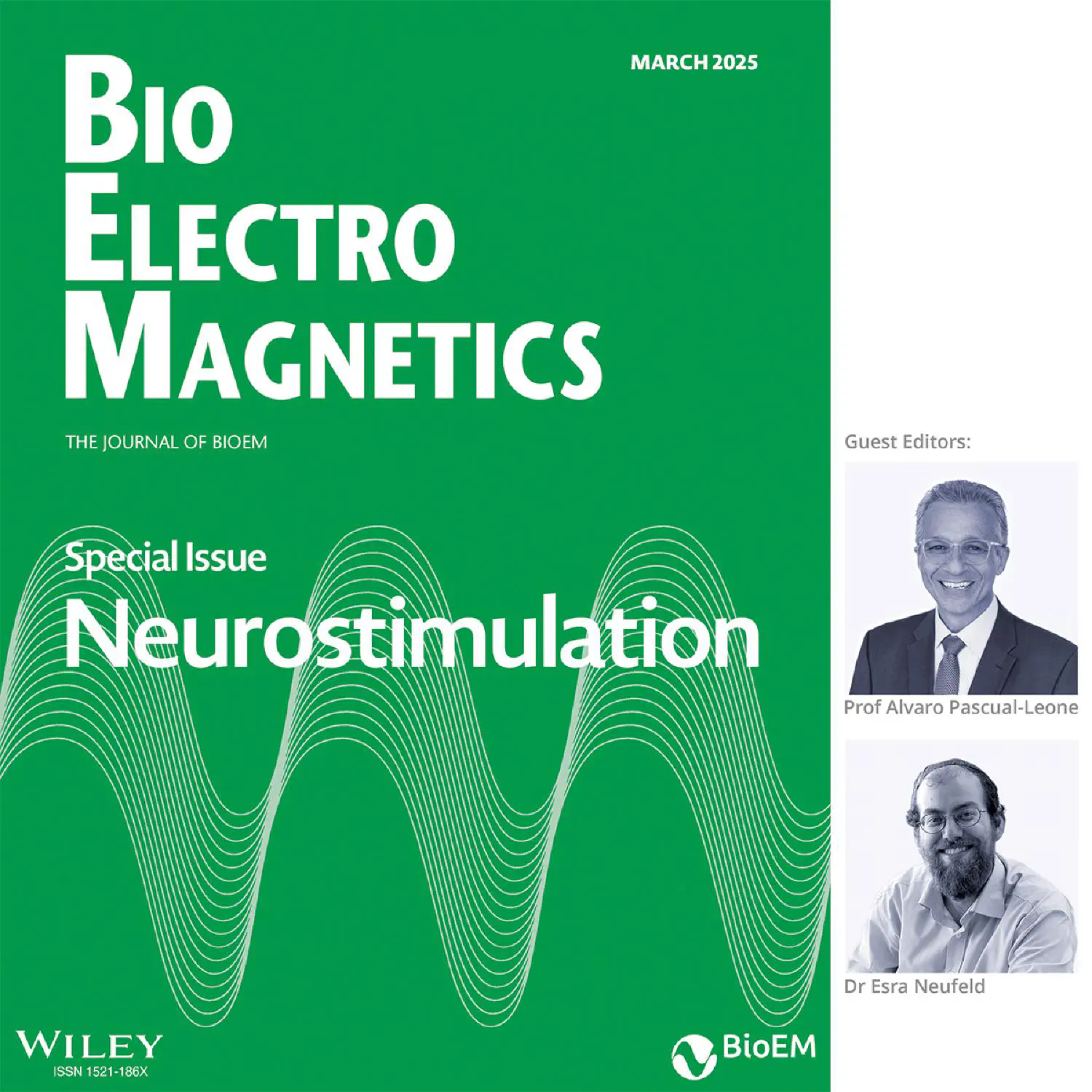
This Special Issue includes the following topics:
A Comparative Study of Simulated Electric Fields of Transcranial Magnetic Stimulation Targeting Different Cortical Motor Regions
Characterization of Machine Learning-Based Surrogate Models of Neural Activation Under Electrical Stimulation
Exploiting Polynomial Chaos Expansion for Rapid Assessment of the Impact of Tissue Property Uncertainties in Low-Intensity Focused Ultrasound Stimulation
Nonlinearities and Timescales in Neural Models of Temporal Interference Stimulation
Pulsed Electromagnetic Fields Attenuate Human Musculocutaneous Nerve Damage Induced by Biceps Eccentric Contractions
Recommendations for the Safe Application of Temporal Interference Stimulation in the Human Brain Part I: Principles of Electrical Neuromodulation and Adverse Effects
Recommendations for the Safe Application of Temporal Interference Stimulation in the Human Brain Part II: Biophysics, Dosimetry, and Safety Recommendations
Stimulus Effects of Extremely Low-Frequency Electric Field Exposure on Calcium Oscillations in a Human Cortical Spheroid
Toward Safety Protocols for Peripheral Nerve Stimulation (PNS): A Computational and Experimental Approach
The guest editors were Prof. Alvaro Pascual-Leone from Harvard Medical School, a prominent opinion leader in neuromodulation, and Dr. Esra Neufeld of IT’IS, a leading expert in computational neuromodeling.
The Special Issue can be accessed here.
February 28, 2025
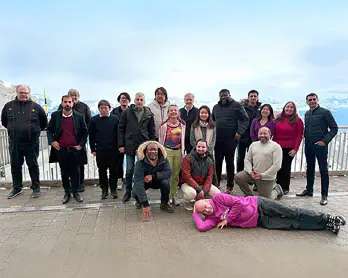
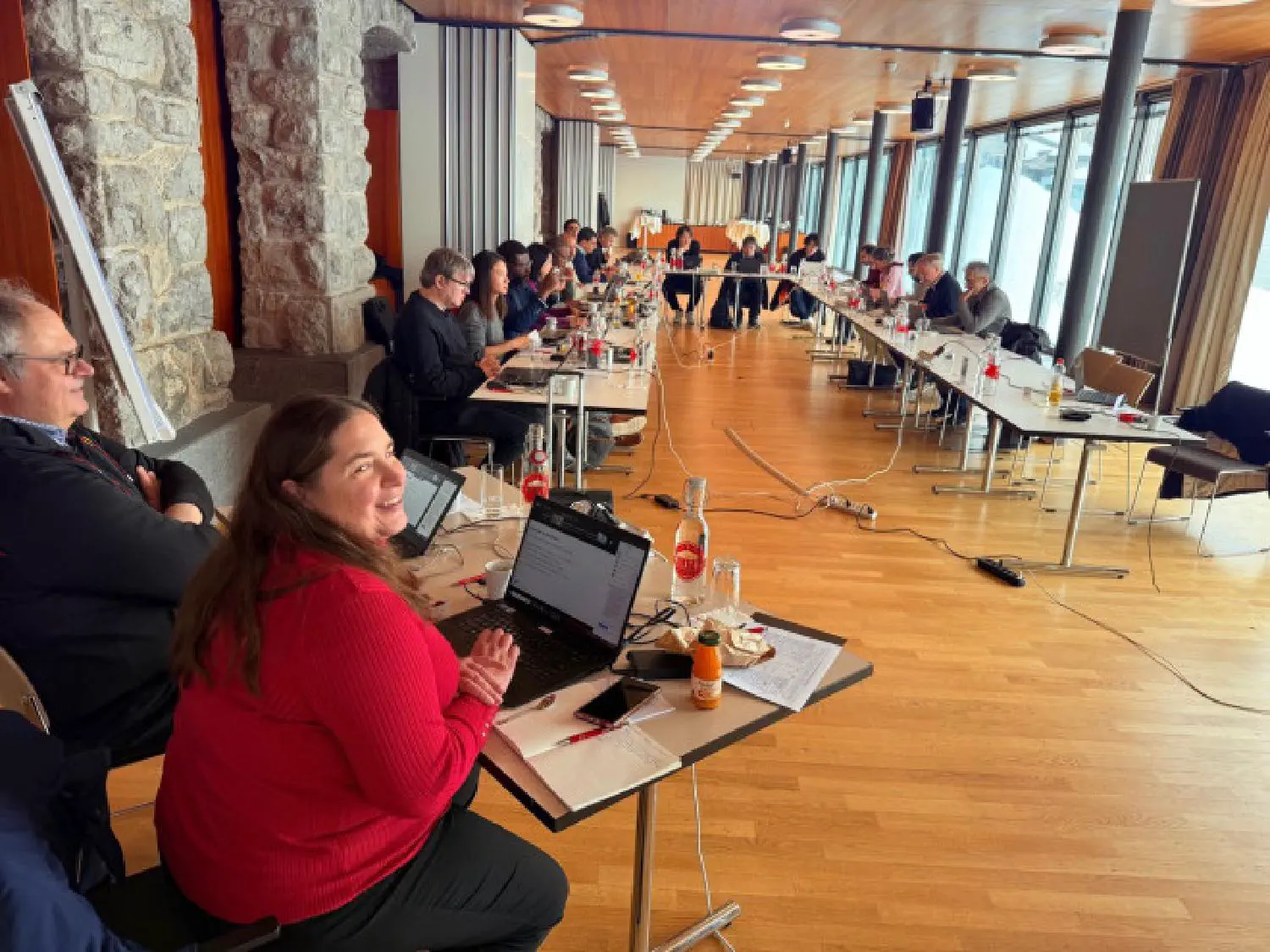
IT’IS is proud to have hosted the IEC TC106 and IEEE ICES TC34 joint standards meetings this week in Zurich and on top of Mount Pilatus. The mountain views offered fresh perspectives to develop new solutions to progress the electromagnetic exposure assessment standards.
IT’IS is proud to have hosted the IEC TC106 and IEEE ICES TC34 joint standards meetings this week in Zurich and on top of Mount Pilatus. The mountain views offered fresh perspectives to develop new solutions to progress the electromagnetic exposure assessment standards.
The week started with the revision of the IEC 62209-3 standard for specific absorption rate (SAR) measurement using vector measurement-based systems. A draft revision has been prepared in response to the latest CDV comments from IEC and IEEE, and a timeline was set to finish the work by the summer. The group also started work on the restructuring of the SAR measurements, incorporating IEC/IEEE 62209-3 and IEC/IEEE 62209-1528 into one standard.
On Tuesday, everyone headed to Mount Pilatus for IEC/IEEE 62209-5 meetings at the beautiful Pilatus Kulm hotel, where the dragon legend inspired us to stay focused! Important progress and a good idea exchanges were evident on a common validation approach for any SAR measurement system. The group is chaired by Kaitlin O’Keefe (USA) and Andrea Schiavoni (IT) with major contributions by key regulators such as FCC (USA), ISED (CA), RRA (SK), NICT (J) and CTTL (CN). The drafting work is expected to finish in June. After the meetings participants took the cable car down to Lucerne to witness the preparations for the local Fasnacht celebrations and enjoyed dinner together.
Wednesday’s and Thursday’s meetings included work on drafting IEC/IEEE 63195-3 and IEC/IEEE 63195-4 for evaluation of absorbed power density in the body in the 6 – 300 GHz frequency range, using measurements and numerical simulations, respectively. These are very important standards for regulators, test labs and manufacturers of millimeter-wave devices (5G FR2, WiGig, etc.).
Wednesday evening’s program was a tour and demo of several of our current research and development activities at Z43, followed by an apero.
The week concluded with progress on IEC/IEEE 62704 series of numerical standards for SAR evaluation, and significant improvements to the draft IEC/IEEE 63480 for radiative wireless power transfer systems.
February 14, 2025
Fariba Karimi, Antonino M. Cassarà, Myles H. Capstick, Niels Kuster, and Esra Neufeld, Journal of Neural Engineering 2025, Volume 22, Issue 1, Article No. 016039, online 13 February 2025; doi: 10.1088/1741-2552/ad8efa
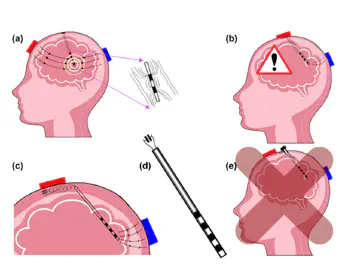
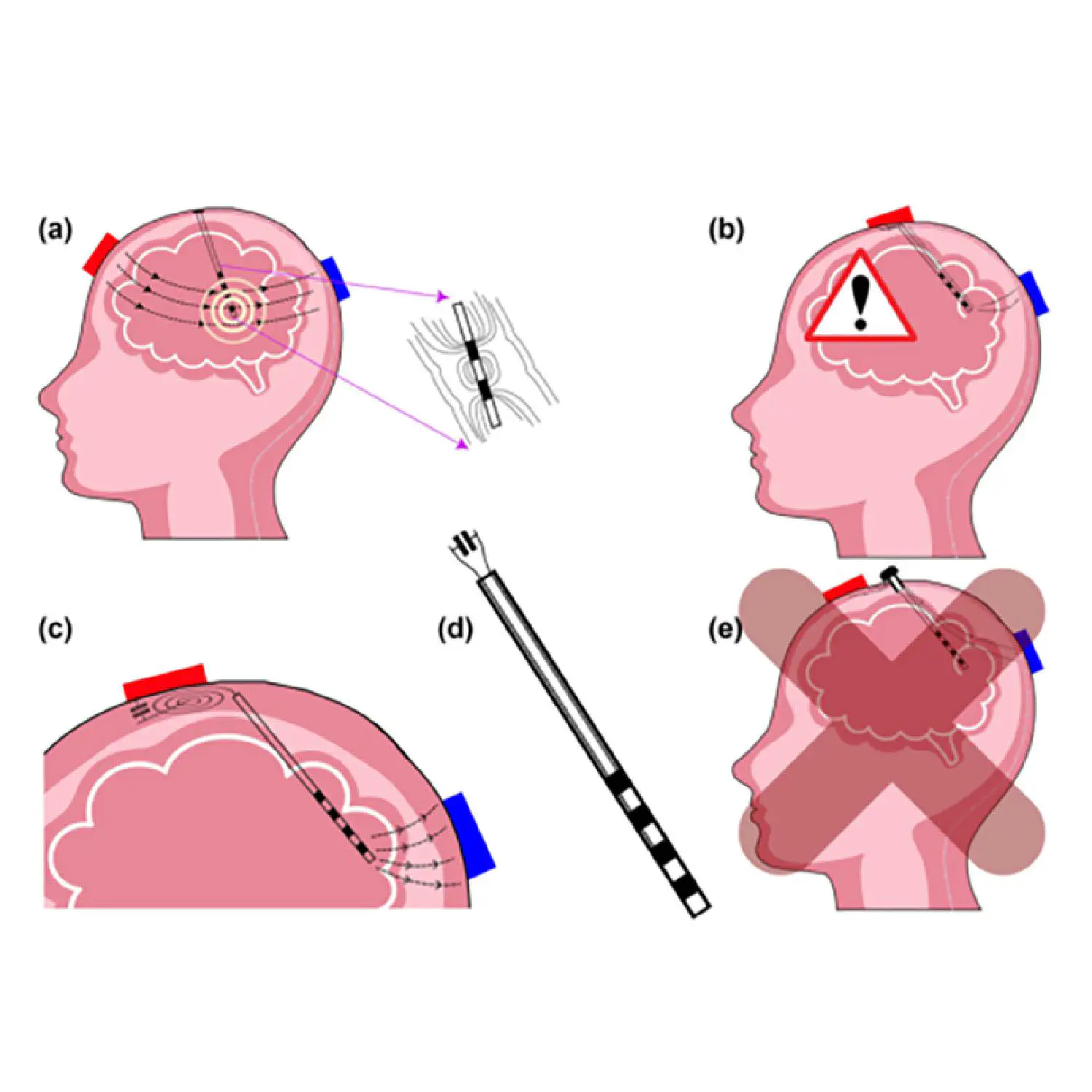
Non-invasive brain stimulation (NIBS) methodologies, such as transcranial electric stimulation (tES), are increasingly employed for therapeutic, diagnostic, or research purposes. The concurrent presence of active/passive implants can pose safety risks, affect the NIBS delivery, or generate confounding signals. A systematic investigation is required to understand the interaction mechanisms, quantify exposure, assess risks, and establish guidance for NIBS applications. This work used measurements as well as a simplified generic and detailed anatomical modeling to: (i) systematically analyze exposure conditions with passive and active implants, local field enhancement, exposure dosimetry, tissue heating and neuromodulation, capacitive lead current injection, low-impedance pathways between electrode contacts, and insulation damage taken into consideration; (ii) identify risk metrics and efficient prediction strategies; (iii) quantify these metrics in relevant exposure cases; and (iv) identify worst case conditions. Various aspects, including implant design, positioning, scar tissue formation, anisotropy, and frequency were investigated. It was observed that, at typical tES frequencies, local enhancement of dosimetric exposure quantities can reach up to one order of magnitude for deep brain stimulation (DBS) and stereoelectroencephalography (SEEG) implants – more for elongated passive implants – potentially resulting in unwanted neuromodulation that can confound results but is still 2–3 orders of magnitude lower than active DBS. Under worst-case conditions, capacitive current injection in the active implant’s lead can produce local exposures of magnitudes similar to passive field enhancements, while capacitive pathways between contacts are negligible. At frequencies above 10 kHz, the magnitudes of the applied current increase, necessitating that the possibility of tissue heating be considered. Furthermore, capacitive effects become more prominent, leading to current injection that can reach DBS-like levels. Adverse effects from abandoned/damaged leads directly in the vicinity of the electrode cannot be excluded. Safety related concerns of tES application in the presence of implants are systematically identified and explored, resulting in specific and quantitative guidance and establishing a basis for safety standards. Furthermore, several methods for reducing risks are suggested, while the limitations are acknowledged.
The scientific and technical impact of the study can be summarized as:
February 11, 2025
Antonino M. Cassarà, Taylor H. Newton, Katie Zhuang, Sabine J. Regel, Peter Achermann, Alvaro Pascual-Leone, Niels Kuster, and Esra Neufeld
Part I: Principles of Electrical Neuromodulation and Adverse Effects, in the Special issue of Bioelectromagnetics on Neurostimulation 2025, Volume 46, Issue 2, online 07 February 2025; doi: 10.1002/bem.22542
Part II: Biophysics, Dosimetry, and Safety Recommendations, in the Special issue of Bioelectromagnetics on Neurostimulation 2025, Volume 46, Issue 1, online 15 January 2025; doi: 10.1002/bem.22536
Antonino M. Cassarà, Taylor H. Newton, Katie Zhuang, Sabine J. Regel, Peter Achermann, Alvaro Pascual-Leone, Niels Kuster, and Esra Neufeld
Part I: Principles of Electrical Neuromodulation and Adverse Effects, in the Special issue of Bioelectromagnetics on Neurostimulation 2025, Volume 46, Issue 2, online 07 February 2025; doi: 10.1002/bem.22542
Part II: Biophysics, Dosimetry, and Safety Recommendations, in the Special issue of Bioelectromagnetics on Neurostimulation 2025, Volume 46, Issue 1, online 15 January 2025; doi: 10.1002/bem.22536
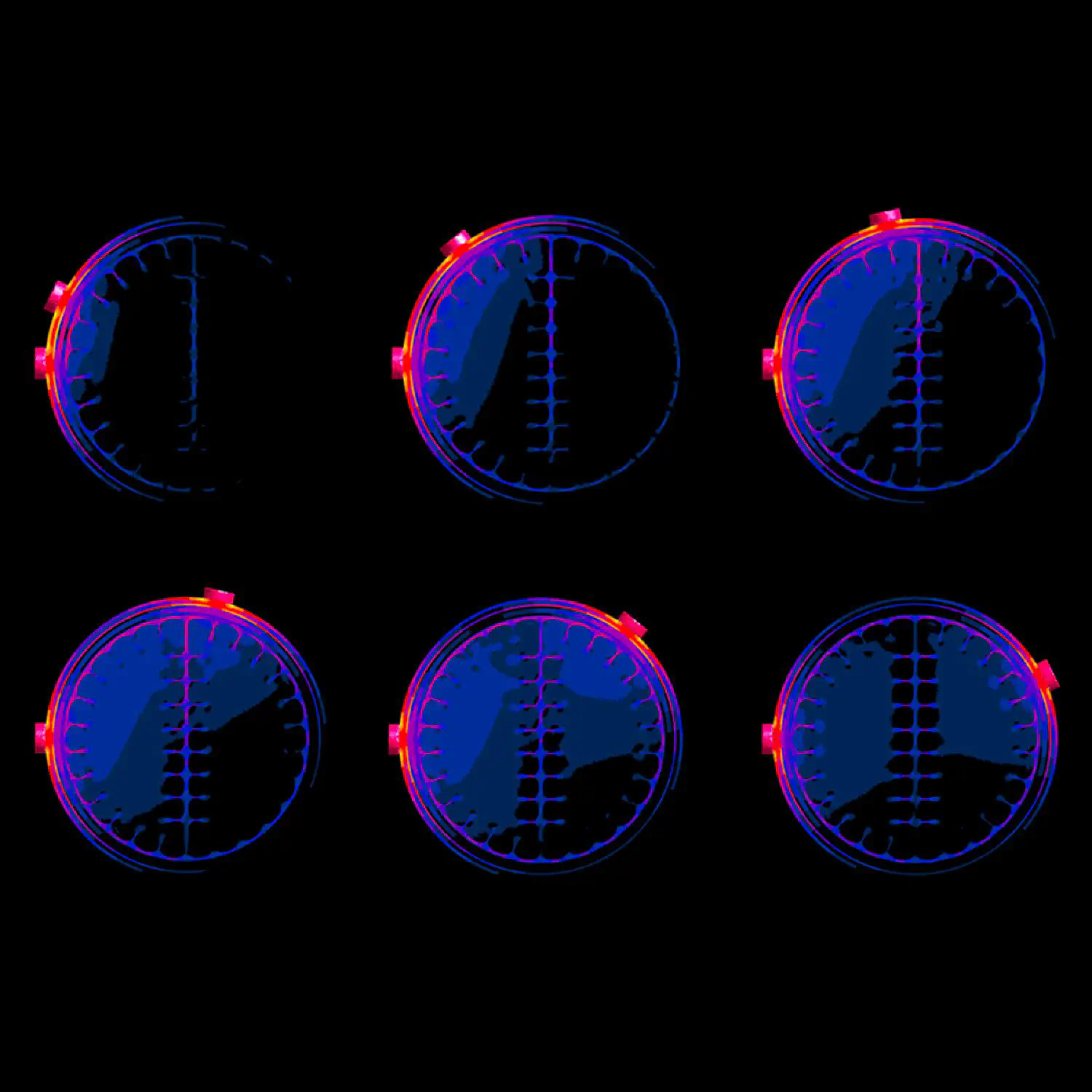
Temporal interference stimulation (TIS) is an emerging form of transcranial electrical stimulation that offers the unique ability to target deep brain structures non-invasively. While TIS holds promise for various clinical and research applications, limited data is available regarding its effects in humans and mechanisms of action. To inform the design and safe conduct of TIS experiments, researchers require quantitative guidance regarding exposure limits and other safety considerations.
In this two-part study, researchers at IT’IS, TI Solutions AG, and collaborating institutions have established the first safety framework for TIS. Part I comprises a thorough review of current knowledge about TIS and related techniques, including the electrophysiological impacts of neurostimulation, mechanisms of action, and a systematic survey of adverse effects reported in scientific literature and regulatory databases. Building on this foundation, Part II employs advanced computational modeling to determine field exposure metrics for various stimulation scenarios in an anatomically detailed head model. By matching stimulation conditions across different modalities, the researchers derive frequency-dependent current thresholds below which TIS is unlikely to pose risks in terms of heating or unwanted stimulation.
The study provides crucial guidance to the scientific and clinical communities and represents a significant step toward enabling the safe translation of TIS technologies into clinical application. The proposed safety guidelines are based on comprehensive modeling of electric fields, current densities, charge injection, neural activation, and induced heating, ensuring that exposures remain consistent with current best practices for transcranial stimulation.
The scientific and technical impact of the study can be summarized as:
May 2, 2024
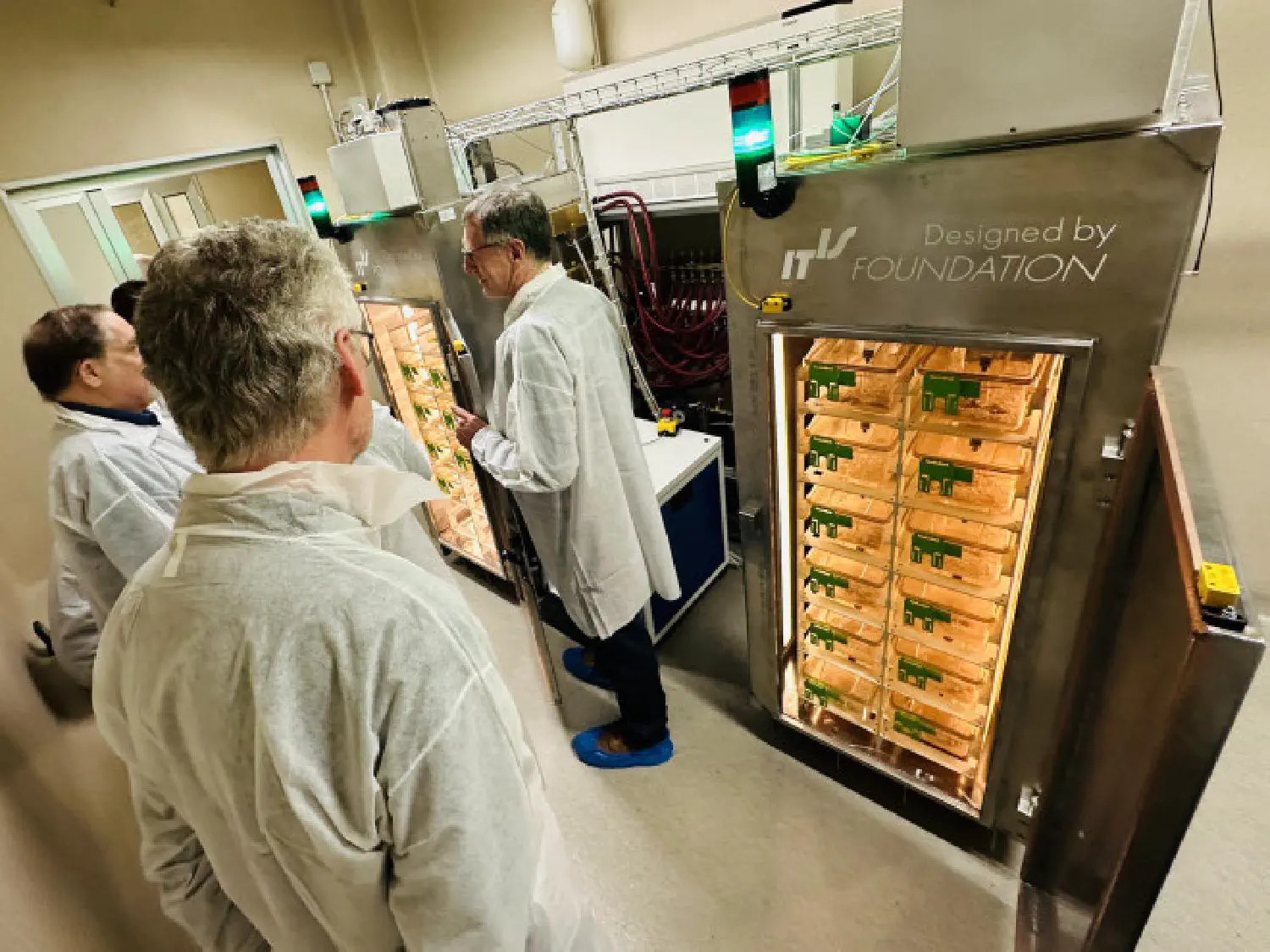
All three exposure systems, in vitro, in vivo, and human volunteer, developed by IT’IS over the past 18 months as part of the SEAWave project are now successfully installed and in operation.
All three exposure systems developed by IT’IS over the past 18 months as part of the SEAWave project are now successfully installed and in operation.
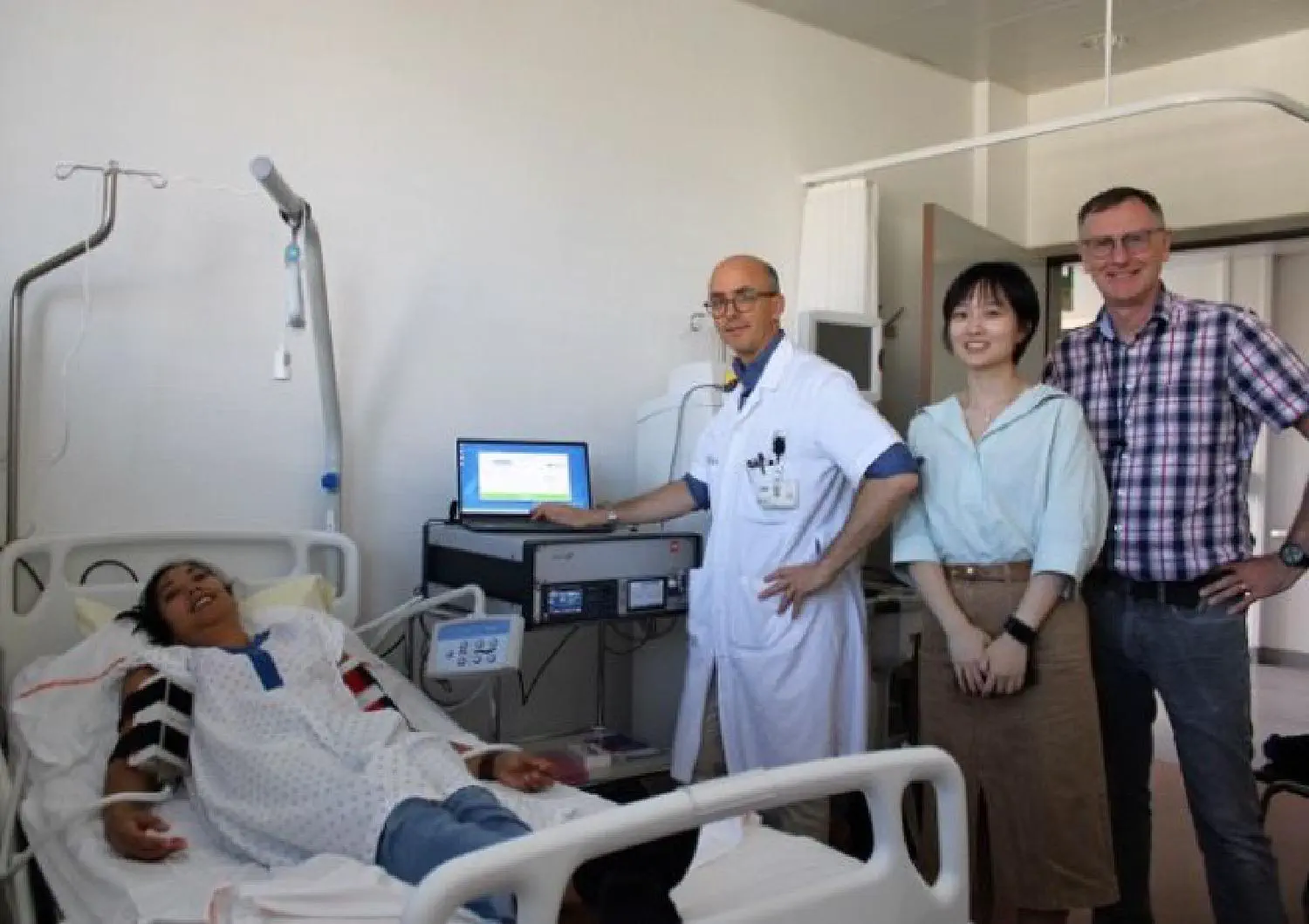
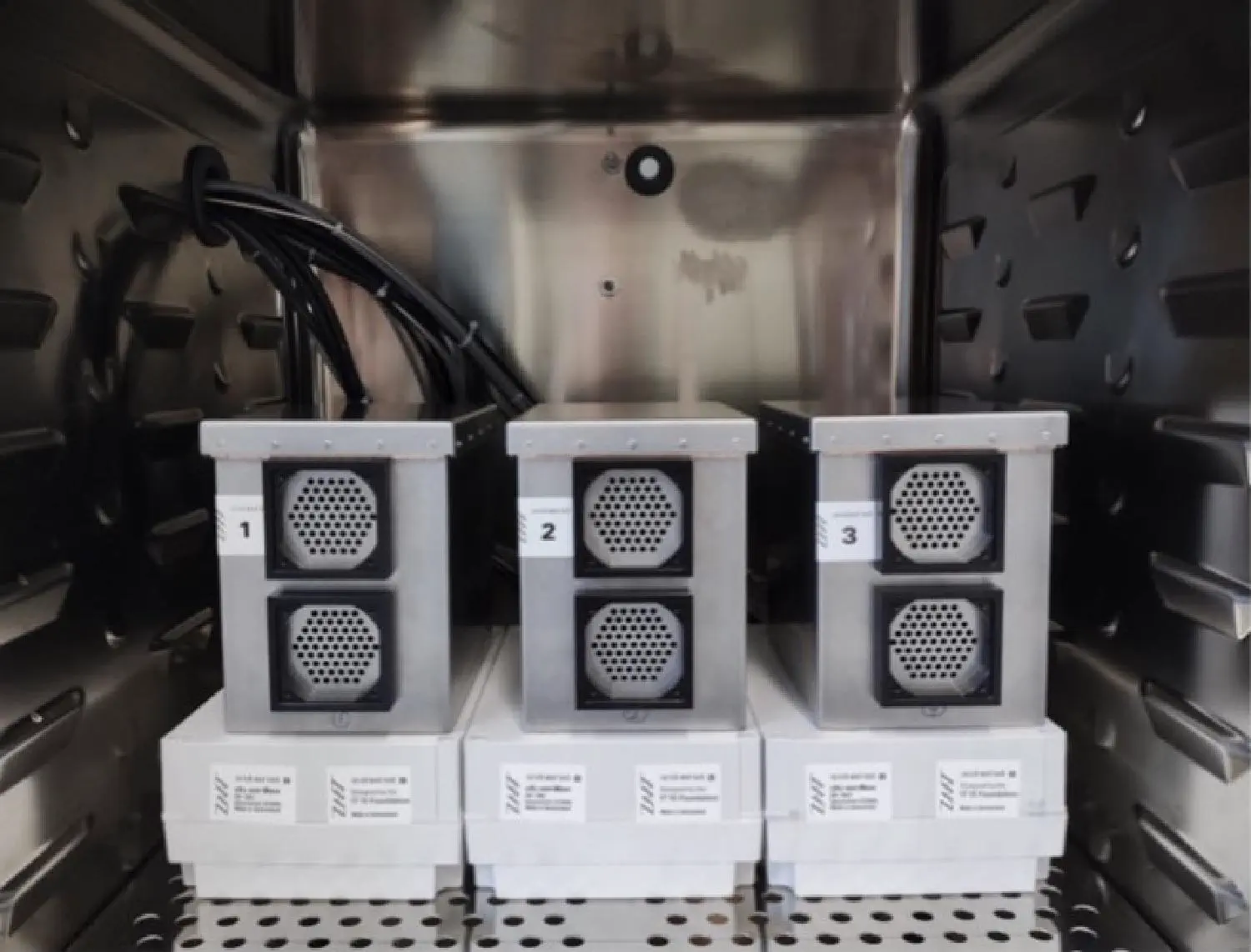
IT’IS is responsible for the design and installation of three 5th generation (5G) millimeter (mm)-wave exposure systems for controlled in vitro, animal, and human studies within the framework of the European project SEAWave – “Scientific-based Exposure and risk Assessment of radiofrequency and mm-Wave systems from children to elderly (5G and Beyond)”.
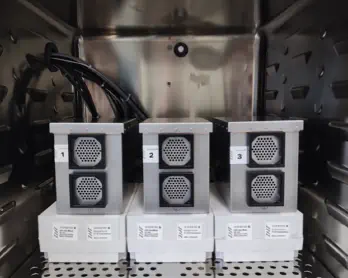
Over the past 18 months, IT’IS has developed and installed three different exposure systems that are being used for a series of health risk studies within the SEAWave project. Specifically, the following systems were designed by IT’IS and manufactured by ZMT Zurich MedTech AG:
March 19, 2024
Results of the successful collaboration between IT’IS and Semtech on the project “TyProxi” has led to the development of a new module for reliable evaluation of time-averaged proximity sensors.
Results of the successful collaboration between IT’IS and Semtech on the project “TyProxi” has led to the development of a new module for reliable evaluation of time-averaged proximity sensors.
Proximity sensors, which are crucial for modern mobile wireless devices like smartphones, tablets, and laptops, optimize connectivity by enabling devices to transmit at higher power when not operated close to the body, ensuring better performance while keeping electromagnetic field exposure within regulatory limits.
For two years, IT’IS and Semtech, the market leader in proximity sensors, joined forces on collaborative TyProxi project, co-financed by the Swiss Innovation Agency Innosuisse, to develop a regulatory-approved testing system for demonstration of compliance of wireless devices with proximity sensors that can simulate real-world user conditions, including high-stress scenarios.
The project findings resulted in development of a test procedure and a prototype implementation to evaluate the trigger distance and conditions of proximity sensors. The two teams also worked closely with standardization bodies and regulators, which led to successful applications to Canadian and U.S. regulatory agencies who recently approved the Semtech PerSe® Time-Averaged Proximity Sensor (TA-PS) Time-Averaged SAR (TAS) algorithm that is implemented in their latest PerSe® Connect chipsets.
Importantly, the results of this work are now being put into practice and will form the basis for a new module to be released in June by IT’IS USA’s Swiss partner SPEAG as part of their DASY product line.
Read more about the new DASY8 Module SENS on the SPEAG press release.
October 18, 2023
IT’IS co-hosted the live webinar: “From Models to Heartbeats: Computational Design of Vagus Nerve Stimulation for Cardiac Health” as part of the translational neuroscience webinar series “Neurophysiology: Exploring Basic and Clinical Consequences”.
IT’IS co-hosted the live webinar: “From Models to Heartbeats: Computational Design of Vagus Nerve Stimulation for Cardiac Health” as part of the translational neuroscience webinar series “Neurophysiology: Exploring Basic and Clinical Consequences”.
Max Haberbusch from the Medical University of Vienna together with Esra Neufeld showed how to restore closed-loop cardiac rhythm control to heart-transplant patients, demonstrating the work developed within the European Funded Project NeuHeart. The webinar explored (i) the dynamics of cardiovascular regulation after heart transplantation, (ii) the development of therapeutic bioelectronic devices for information-maximized sensing and selective stimulation, (iii) model-based control of neural interfaces, (iv) open and FAIR neurosciences, with a particular focus on reproducible, sustainable, and integrative computational modeling (illustrated through the integration of independently developed neural interface and cardiovascular regulation models), and (v) the ongoing research on model-based intelligent control and in silico regulatory evidence and trials for safety and efficacy assessment.
Part of the presented work was performed using the o²S²PARC platform, with the SPARC Portal hosting the data and models.
This webinar is part of an exciting joint webinar series resulting from the collaborative efforts of APS in partnership with the Society for Neuroscience, Federation of European Neuroscience Societies, American Autonomic Society, and InsideScientific. The series aims to delve into cutting-edge research updates, new findings, core principles, and advancements in the realm of neuroscience and its associated disease models.
For more webinars in the series check here.
IT’IS USA conducts cutting-edge research on interactions of electromagnetic fields with biological systems, working closely with leading universities, medical institutions, industry partners, and regulatory agencies worldwide towards developing safety standards to protect workers and the public.
IT’IS USA is at the forefront of research into the interactions between electromagnetic fields (EMF) and biological systems.
Computational Bioelectromagnetics
Medical Applications
Dosimetry and Exposure Assessment
Safety Standards Development
We work closely with:
Our research is supported by government agencies, private foundations, and industry partnerships, ensuring independence and scientific rigor.
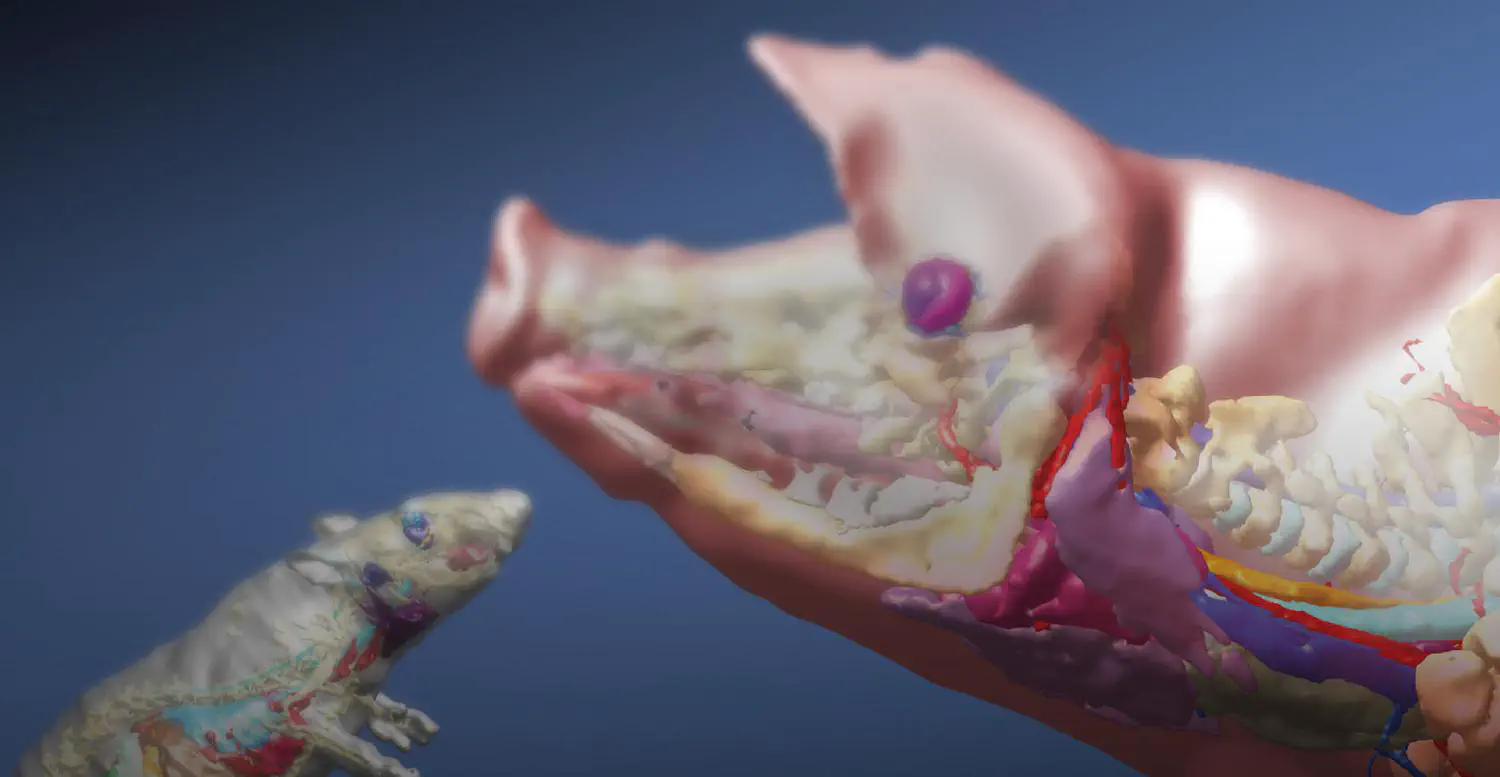
IT’IS USA is promoting o²S²PARC, a simulation platform created as part of the NIH SPARC Program to ensure sustainable, reproducible, and FAIR computational modeling. o²S²PARC allows users to create, run, and share modeling and data analysis workflows directly in a web browser.
o²S²PARC is an open, cloud-based simulation platform developed by IT’IS as part of the National Institutes of Health Common Fund SPARC Program to support sustainable, reproducible, and FAIR (Findable, Accessible, Interoperable, Reusable) computational modeling in bioelectronic medicine and beyond.
IT’IS USA participates actively in international standards development organizations to formulate science-based safety guidelines for electromagnetic field exposure and medical device safety, developing testing and measurement protocols and procedures for compliance assessment.
IT’IS USA plays a vital role in developing science-based safety standards and guidelines for exposure to electromagnetic fields.
International Organizations
Our Contributions to Electromagnetic Safety
Our standards contributions are:
The standards that we help develop are:
We provide:
IT’IS USA provides education and training in bioelectromagnetics and computational life and health sciences, with student internships, doctoral research projects, and continuing education for scientists, industry professionals, and regulatory personnel.
IT’IS USA is an independent, non-profit, tax-exempt research institute committed to education and training in bioelectromagnetics, computational life and health sciences, dosimetry, and related fields. As part of its education mission, IT’IS conducts research in simulation methodologies and applications of physical, physiological, and biological processes to advance the realization of precision medicine, participating in in silico studies that include clinical trials and regulatory grade modeling, with focus on validation and verification methods. IT’IS USA and its Swiss sister organization are committed to providing a proactive, creative, and innovative research environment for the cultivation of sound science and good education.
Resources
Academic Partnerships
IT’IS USA
227 Bowen Ct.
Annapolis, MD 21401
USA
+1 410 990 1039
info@itis-usa.org
IT’IS USA is an independent non-profit research corporation focused on the safe and beneficial application of electromagnetic energy in health and communication technologies, dedicated to improving the quality of life for people with disabilities through innovative research.
IT’IS USA maintains a proactive and creative environment that fosters sound science and education, stimulating productivity through strategic collaborations with academic and industrial partners.
IT’IS USA will achieve its mission and strategic goals by stimulating innovation, productivity, and pre-eminence in the following areas:
IT’IS USA, founded 2010
The Foundation for Research on Information Technologies in Society USA, Inc. (IT’IS USA), is a financially and legally independent tax-exempt institution based in Maryland, USA.
IT’IS USA was established as a sister organization of the Foundation for Research on Information Technologies in Society (IT’IS) in Zurich, Switzerland, to foster collaboration with US research institutions, engage with US regulatory agencies, support innovation in U.S. industry, address region-specific research needs, and facilitate the formulation of safety standards in the USA.
The Foundation for Research on Information Technologies in Society USA, Inc. (IT’IS USA), is a sister organization of the Foundation for Research on Information Technologies in Society (IT’IS) in Zurich, Switzerland. It is a financially and legally independent tax-exempt institution based in Maryland, USA.
IT’IS USA was established on May 21, 2010, and held its founding board meeting on October 11, 2010, on the campus of the University of Maryland, College Park MD, USA.
IT’IS was established in 1999 in Zurich, Switzerland, with the mission to assess the impact of exposure to electromagnetic fields (EMF) on health and to develop therapeutic applications of EMF.
IT’IS USA was established to:
2000s: Pioneering Research
2010s: International Leadership
2020s: Innovation and Growth
IT’IS research has influenced:
IT’IS USA continues to push the boundaries of bioelectromagnetics research by addressing emerging challenges and opportunities in our increasingly connected world.